 Francesco Giusti ‘Caribbean’ on disply until November 8th.
email info@hvw8.com for inquiries
Francesco Giusti ‘Caribbean’ on disply until November 8th.
email info@hvw8.com for inquiries
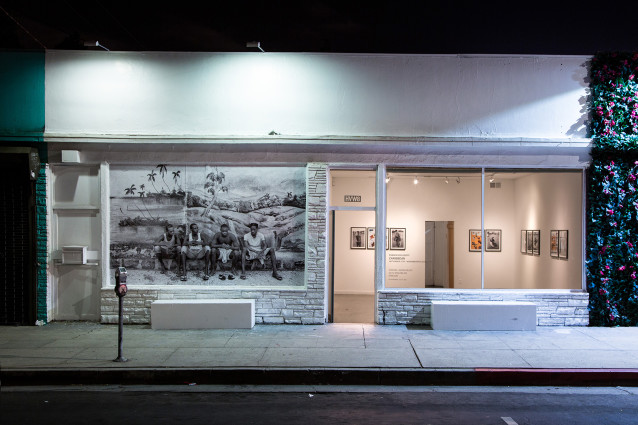
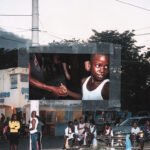
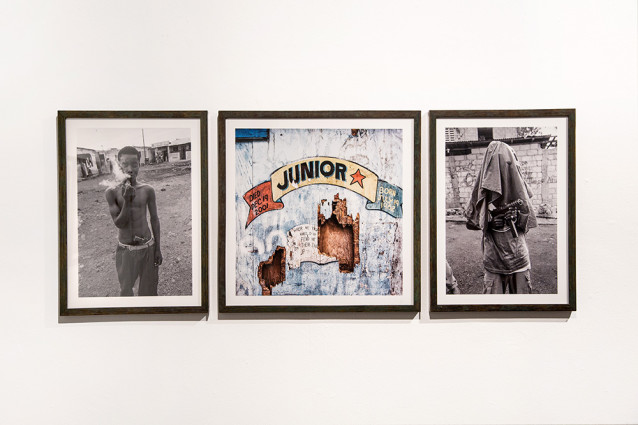
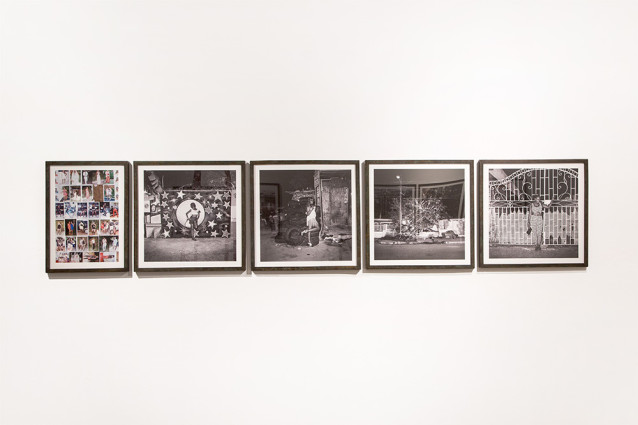
A ribbon in green, yellow and red is strung with Junior written in 70’s bubble font, as memorial. The epitaph commemorates the death of a man who contributes a meaningful part of the neighborhood, a supermarket and a garden. Yet these angel investors, are commonly, and most plausibly, drug pushers. They make their money through crime, yet this same cash funds community based projects. These are the issues of moral ambiguity that underlie Francesco Giusti’s images. This image that at first glance, holds a degree of violence, or one dimensional sort of ‘slummy-ness’ or criminality, reveals that sort of duality of urban life in the Caribbean. That somewhere between crime is an economy, a community based system of justice that is as easily codified.
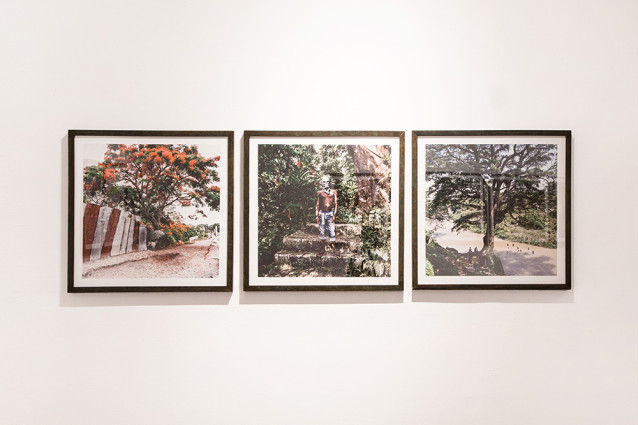
Broken down cars are overridden with foliage from the tropics. Palm trees commonly associated with paradise are wilderness, unhampered. Where utopia and dystopia exist in a zone with an unrestrained rawness. This sort of cultural hybridity is often the remnants of European hegemony where it’s post-colonial history is traced through the in-the-street as a playboy icon, through the print heavy patterns of the dancehall queens, or in the particular way a woman poses, hips out, in essence of the dancehall attitude.
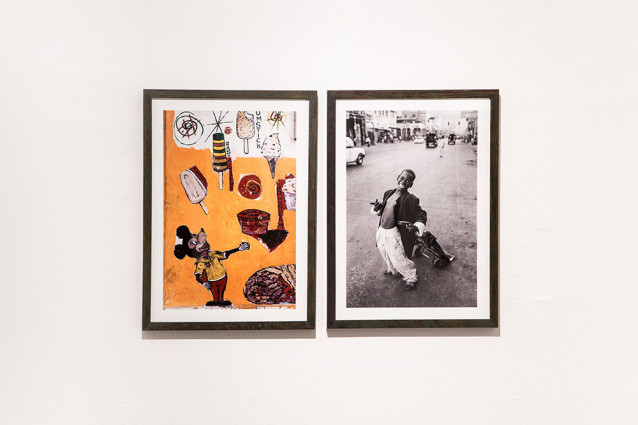
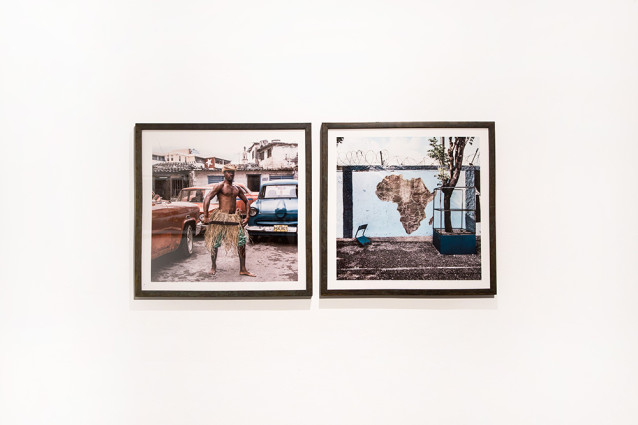
The images show that these vestiges of colonialism are still very much at conflict by threatening local heritage or progressing the flattening, or globalization of culture. How a gift store grass skirt, and machete may seem like a costume hodgepodge, actually represents the struggle for an indigenous past to serve under western influence. That in order to preserve deity of Ogoun, locals developed visual strategies to incorporate catholic imagery to escape Spanish catholic effacement. These gestures of dress or, markers of identity, are often expressions of a conflicted relationship between indigenous preservation and steps toward modernity- a syncretism for folkloric survival. Mickey deviously summons images of candy and popsicles as if to demonstrate a fantasy, suspended just out of reach.
His images have romance that do not ignore the social realism, but instead, posit these factors that are generally considered to be a-civil, as civilizing in this particular socio-economic system. The people in Giusti’s photographs reveal a location and time that is constantly caught between an ideal that is constantly present, and remotely attainable.
Recipient of photography awards, Francesco Giusti is a freelance photographer who has primarily worked in Africa, the Mediterranean, Central and South America. He has exhibited internationally in France, Italy, Colombia, Germany, and the US. This is his first solo exhibition at HVW8.
More photos on HVW8 Facebook
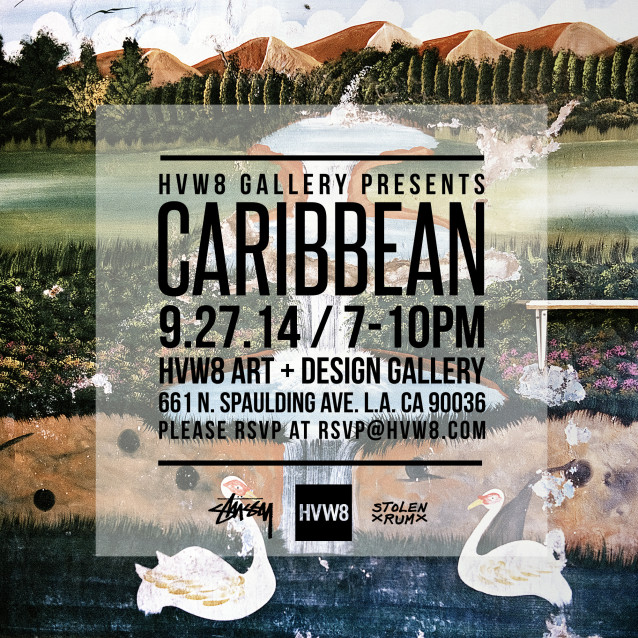
Please RSVP at rsvp@hvw8.com
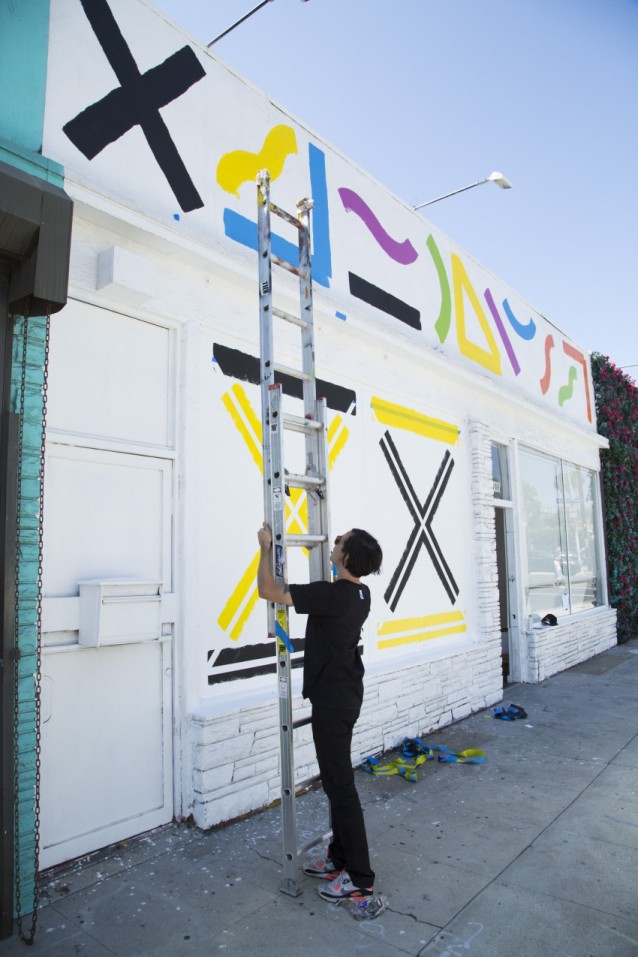
Interview and photography by Aaron Farley
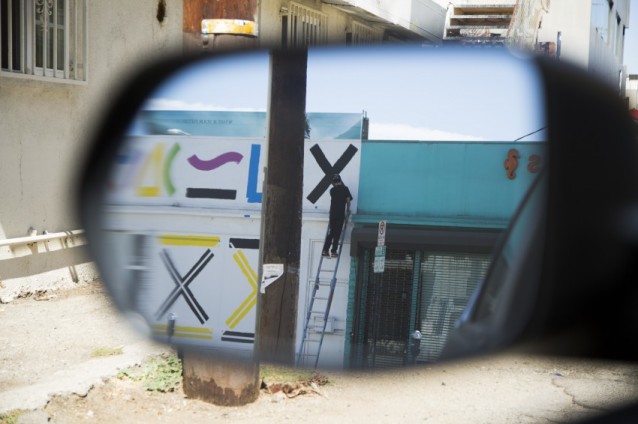
AF: Talk us through the progression of murals that you’ve done.
EG: I think the first one was the standard vertical gallery, and the piece I did for the solo show at This Gallery, and then East of Western, and then The Ace, (Palm Springs), which was a huge leap.
Why was it a huge leap?
It was a huge leap because 1) it was multiple colors, and then 2) because it was massive. It was 50 feet by 2 stories. So before that the one at East of Western was the largest and that was 10 x 8 ft.
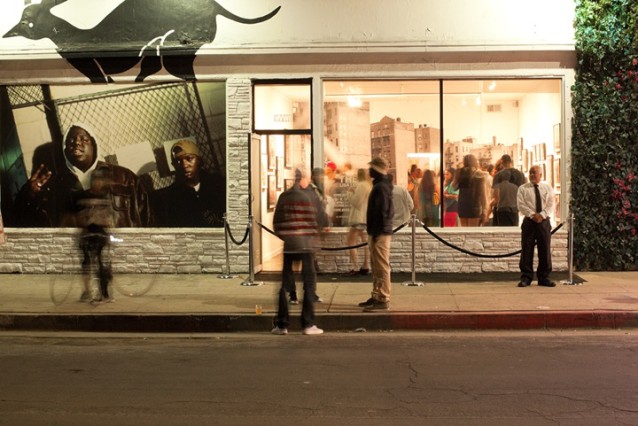
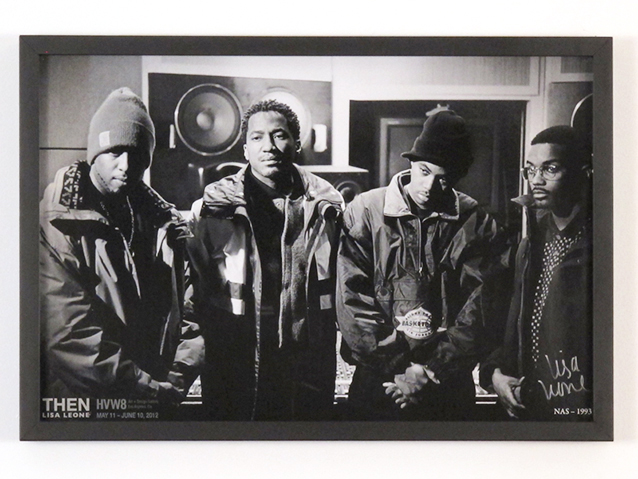
Photo the Exhibition ‘Then’ from 2012 at HVW8 Gallery.
HVW8 Alumni Lisa Leone’s exhibition Here I Am: Photographs by Lisa Leone opens this Saturday, September 13, 4:00 to 7:00pm at the The Bronx Museum of the Arts.
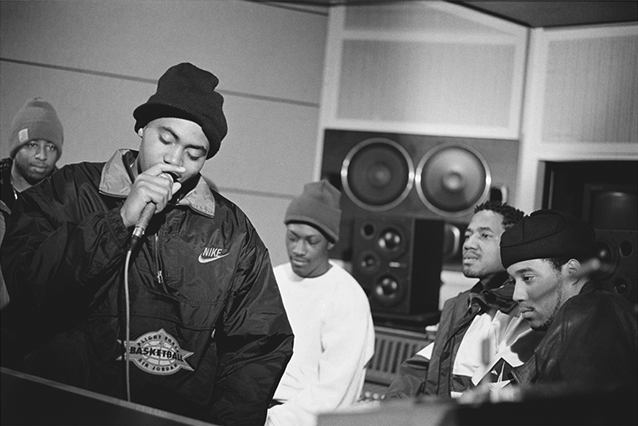
The Bronx – Paris – Los Angeles – early 1990s – hip hop. This culture of music, dance, art and fashion is forever in its nascent and most authentic in Here I Am: Photographs by Lisa Leone. From Nas in the first studio recordings for what would become his iconic debut album Illmatic, to Snoop on the set of his first video, from ingénue Debi Mazar on the subway to Grandmaster Flash at a RockSteady reunion, Leone’s photographs open portals to the sounds, places and, most importantly, the people who forged and continue to influence the energy that is hip hop.
Recent article on Erin D. Garcia on Style.com :
Los Angeles, United States
Scenes of a Southern Transplant Artist in L.A.
by Chris Black
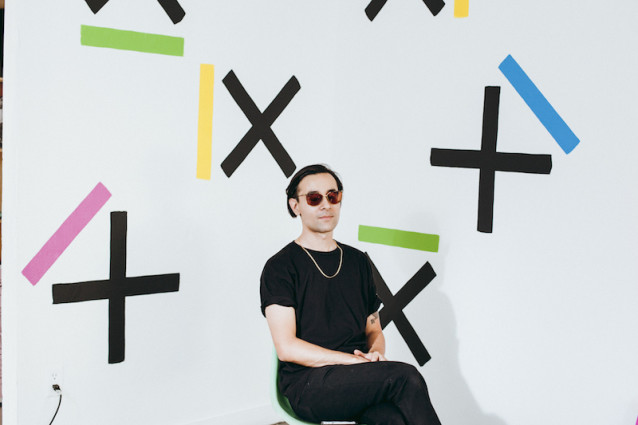
Artist and musician Erin D. Garcia is originally from the South, but he’s lived in Los Angeles for a long time and it shows in his work. He uses vibrant colors to create beautiful graphic art that is synonymous with the forefathers of the L.A. style: John Baldessari, David Hockney, and Ed Ruscha. By employing geometric abstractions to explore rhythm and permutation, his art is at once familiar and impressive.
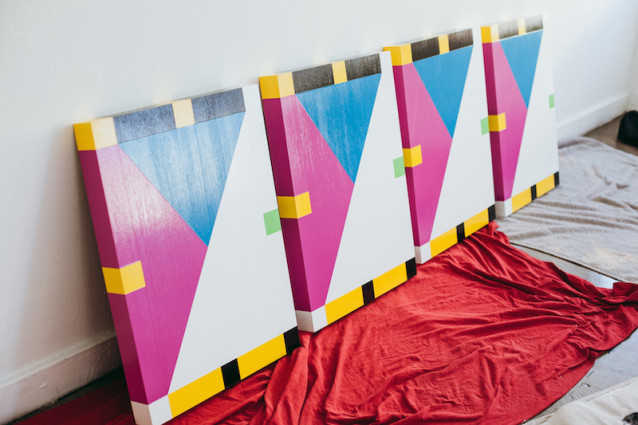
Using a technique that is reminiscent of ’60s minimalism, Garcia focuses on essential shapes with a less-is-more approach, forgoing the complex and only retaining the essential. His second solo exhibition, 5 Shapes in 6 Colors, displays a rich body of work in a multitude of mediums: drawings, paintings, and even a mural. It’s on view at HVW8 Gallery until September 14.
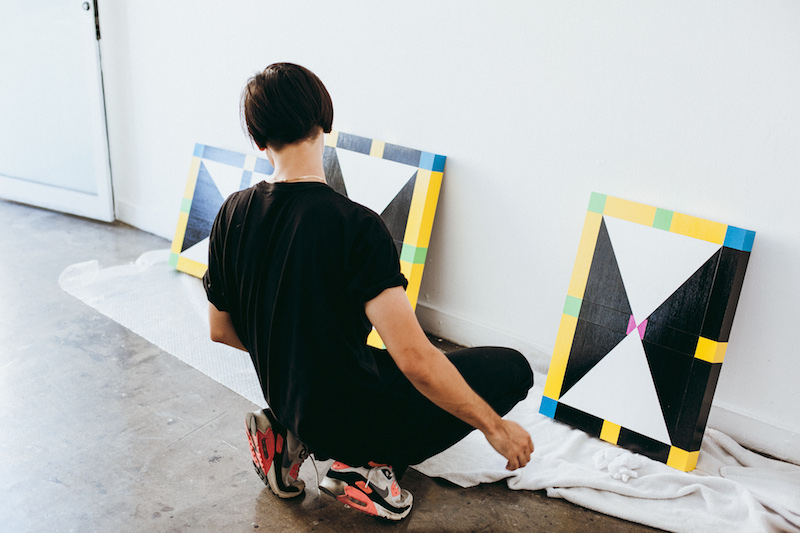
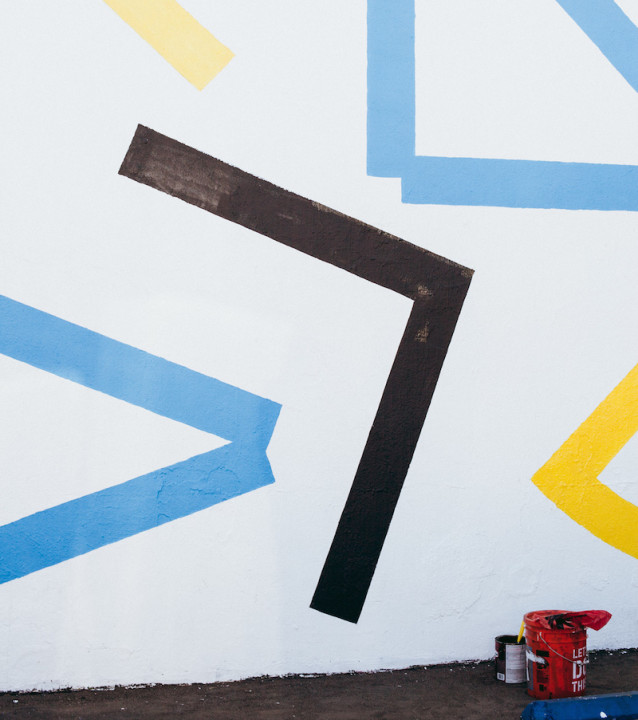
Photos: Andy J. Scott
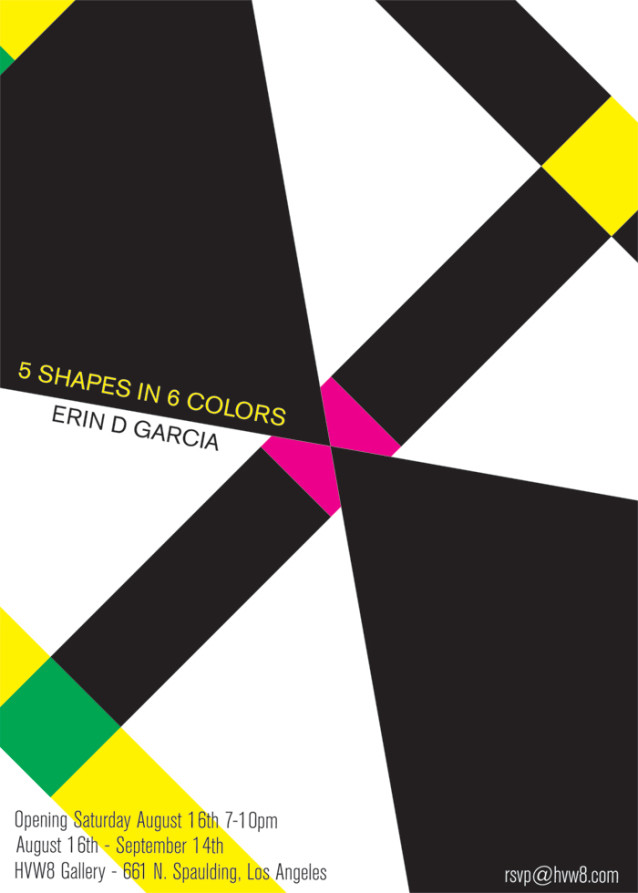
5 Shapes in 6 Colors
August 16th – September 14th, 2014
Opening this Saturday at 7pm, please RSVP at rsvp@hvw8.com
For inquires email info@hvw8.com
Erin’s geometric abstractions derive from a mother structure of Stacked blocks and volumes rendered in a series of colors. He deconstructs this architecture of color into a simpler lexicon of lines, arches, and curves in an ongoing search of other primary structures, or as he says, “elements”. These have been the units of full scale pop environments featured in fashion spreads for Bullett and Foam magazines and adorned the walls of the Ace and Standard Hotels. Though effortless in appearance, the ornamental function should not diminish the severity of his methodology. His work is a calculated process of designating, defining, arranging, and permuting elements and colors with algorithmic thoroughness. It embodies 1960′s Minimalism’s obsession with reduction, seriality, repetition, and a priori with a Sottsassian embrace of the decorative. However, with Erin’s treatment these shapes have never been so imposing and naturally enjoyable as the all-consuming and infinitely configurable Amen Break drum loop.
Erin’s work is in the title. Often reduced to a series of numbers, or definitions of a permutative process, there is an impulse to decode what number corresponds to what element, which is the color, and what is the relationship. All of this implies an inherent rhythm in the way that these patterns are arranged. His compositional logic is intimately tied to strategies of musical arrangement but exploit the mind’s tendency to complete data. Lines that edge triangles appear completed, but upon closer look, are actually disconnected and superimposed with unmet corners. Three dimensional solids we perceive as pyramids are actually incomplete and interrupted by yet another incomplete solid. It is a counterargument to the Gestalt, the theory of mind that the global whole is more than the sum of its parts. As if he means to argue that the global whole is actually a sum of parts. Or stated in Erin’s nomenclature, that “stacks” are just “elements” with no corners.
Minimalism’s gamble fell short with its habit of weighing down its simplicity with lofty theory. After all, less can’t be more when you have to read before understanding. Whether operating in the tradition of Gestalt or not, Erin’s work is instant. Ed Ruscha taught art to choose yellow, pink, and blue over black, white, and grey. The vibrancy of color, sterility, spontaneity, and casualness of appearance has come to be inextricably linked to the overall aesthetic of Los Angeles. Its strong history of pop, abstraction, and west coast lax is communicated in a language of waves, gloss, and playful irreverence. Erin isn’t claiming this territory, but rather, seems to be isolating LA’s formal identity into a codex of yellow half circles and blue waves that subconsciously reads as something distinctly Angelian.
It’s difficult in it’s procedural complexity, yet, refuses any need of calculation. It’s immediate, familiar. Something as fundamental as a shape is universal enough to draw cultural associations: sun, ocean, cross; yet, the moment you do, you’ve already overthought it.
To Sottsass colors are words; to Erin, colors are numbers, and numbers are beats.
Born in the South, Erin is a musician, artist, and designer living and practicing in Los Angeles. He has published folios, collaborated with JUCO fashion and photographer John Michael Fulton, and completed three commissioned public murals. His work has been exhibited internationally in Tokyo, London, New York and Art Basel Miami. 5 shapes in 6 Colors is his second solo exhibition and second showing at HVW8 Gallery.
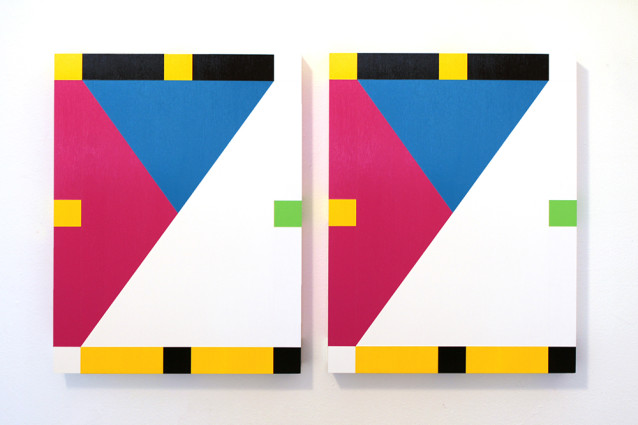
Repetitions of 6 Shapes in 6 Colors, Acrylic on Wood Panel, 18 x 24″ (45.7 x 61 cm)
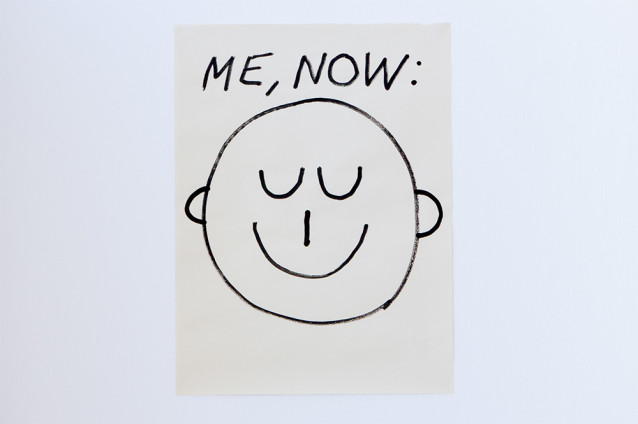
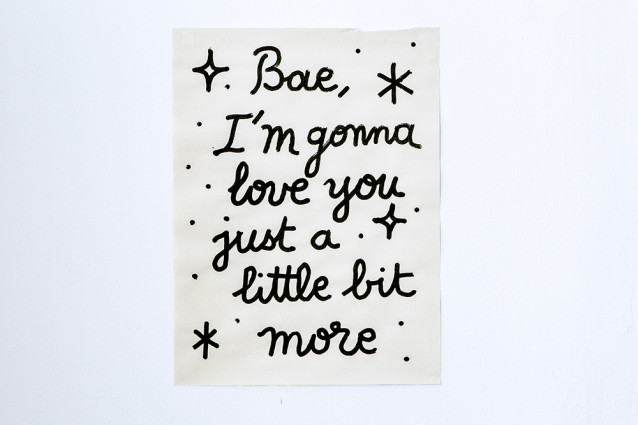
Bae, I’m gonna love you just a little bit more
by Jean André
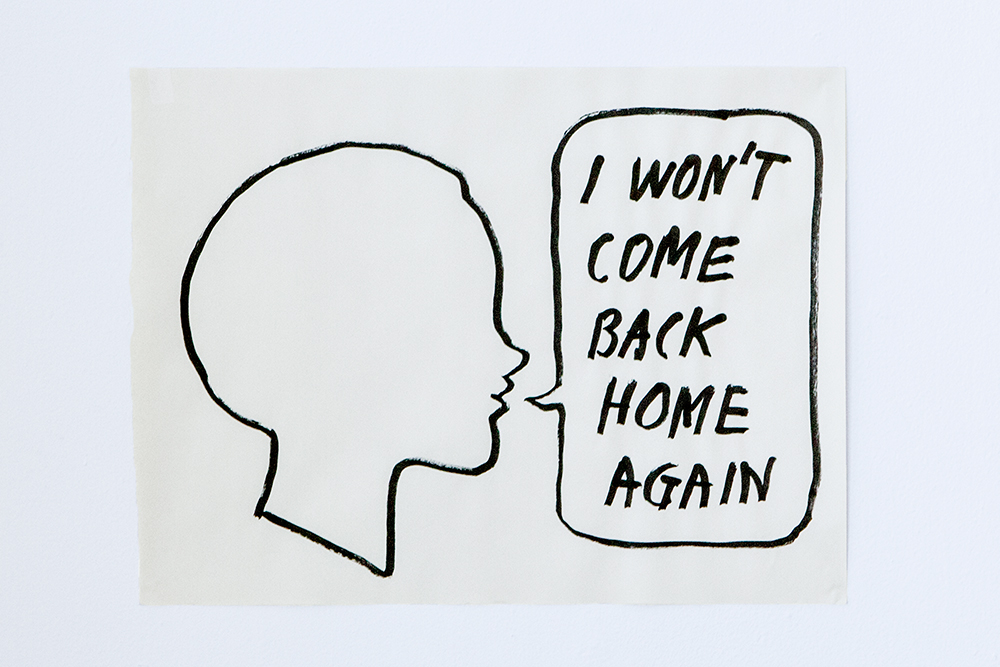
“I Won’t Come Back Home Again”
by Jean André
A few new original drawings by the French gentleman artist Jean André, created during our recent workshops in Palm Springs.
Additional pieces here.
Please email info@hvw8.com for inquiries
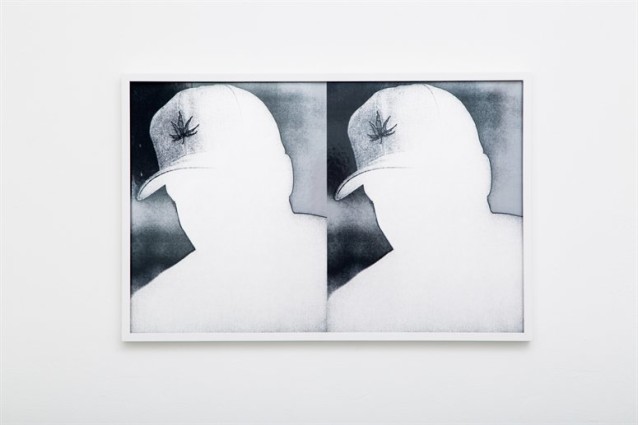
TBT (Dr Dre 2)
Hassan Rahim
from Distillations, HVW8 Gallery, 2014
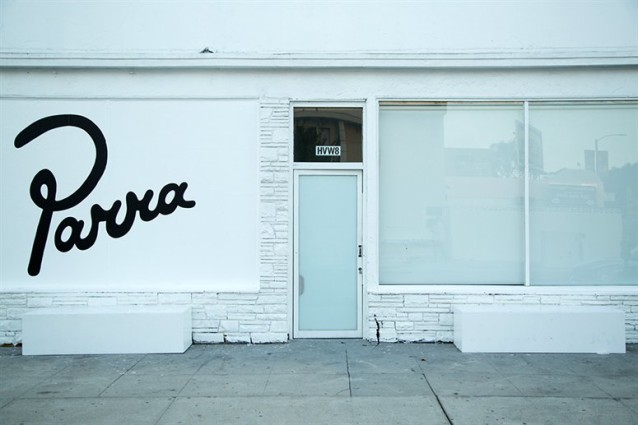
Parra
Exterior of HVW8 Gallery
From Same Old Song, HVW8 Gallery, 2014
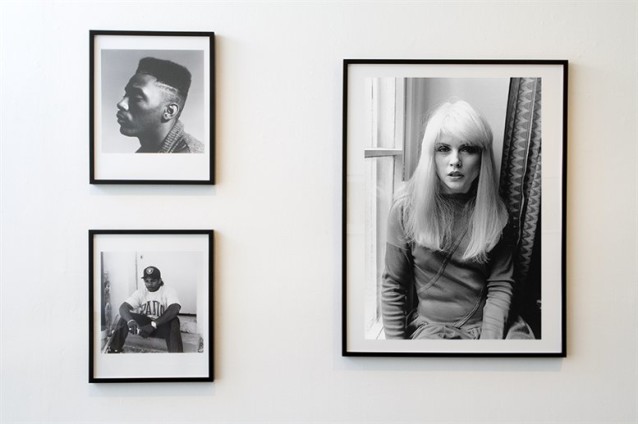
Janette Beckman
Installation photo
From Punks, Rap and Gangs, HVW8 Gallery, 2014
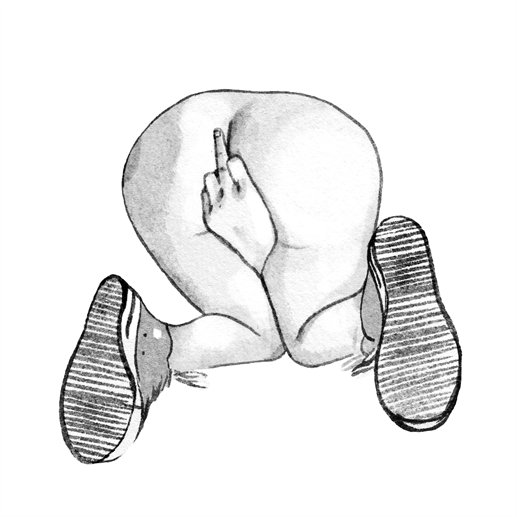
Jean André
Fuck You Tyler
2014
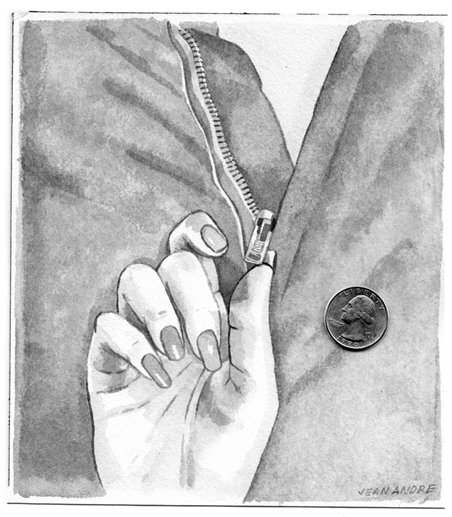
Jean André
Marie 89
2014
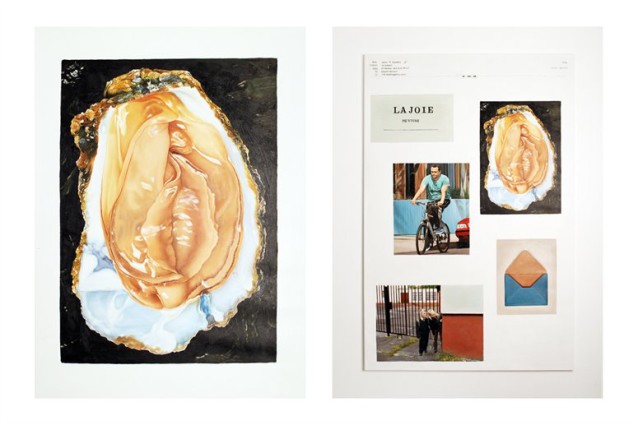
Justin R. Saunders
via the Wushipu Oil Painting Village in Xiamen, China.
From JJJJound Correspondence, HVW8 Gallery, 2013
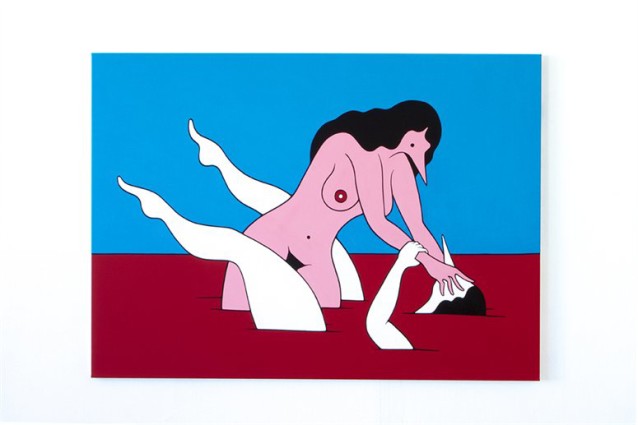
Parra
Betrayed
From Same Old Song, HVW8 Gallery, 2014
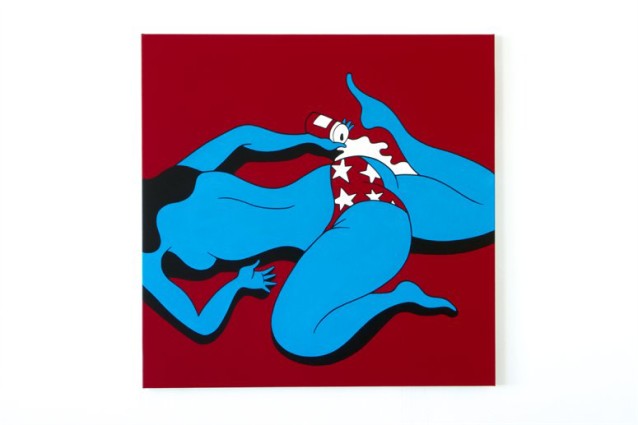
Parra
Lunch Beers
From Same Old Song, HVW8 Gallery, 2014
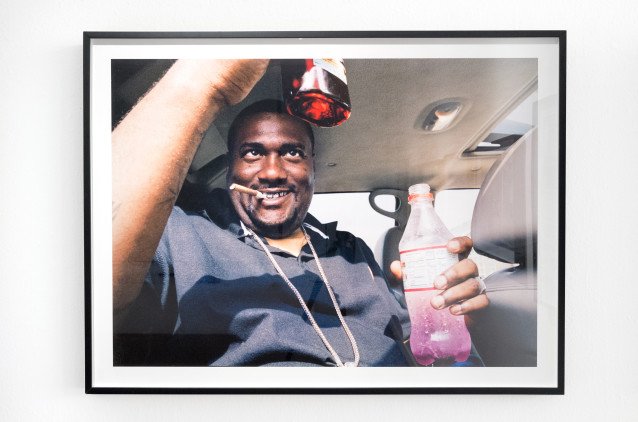
E.S.G., Missouri City, 2005
Peter Beste
From Houston Raps, HVW8 Gallery 2014
New article on HVW8 Gallery and Summer School from Nowness.com
Summer School: HVW8 Gallery
Art Lessons and Dance Sessions in the Californian Desert
From the brazen imagery of Amsterdam’s Parra to the internet-inspired visuals of the Kanye West-affiliated Canadian artist JJJJound, LA gallery HVW8 cultivates an international collision of pop culture and graphic design in a contemporary art setting. “We allow someone that might not be familiar with the artists we exhibit to see them in a lineage of El Lissitzky or Roy Lichtenstein, who to me are examples of fine graphic artists,” says HVW8 co-founder Tyler Gibney. This month the gallerist took psychedelic artists Erin D. Garcia, Teebs, Jean André and Alvaro “Freegums” Ilizarbe on a desert road trip for Summer School, an art and music weekender at the Ace Hotel in Palm Springs featuring sun-kissed West Coast bands such as dance-punk duo De Lux. “I grew up with a Bauhaus education and I love the idea of artists teaching and exposing their craft,” says Gibney of the hands-on experience of Summer School’s workshops. Founded in 2011 by LA new music champions School Night and the Ace Hotel, the micro-festival’s inaugural line-up included cult mobile letterpress studio Movable Type, and Chris Johanson of the Mission School art movement. “I approach my drawings as a viewer, I want to understand why a choice is made and the reason behind it,” says Garcia, who took on collage class duties while Cali locals Teebs went cosmic with Japanese tie-dye alongside Ilizarbe’s infinity patterns, and Paris’s André showcased poster techniques. “I think there’s an elegance in a simple idea that’s communicated well.”
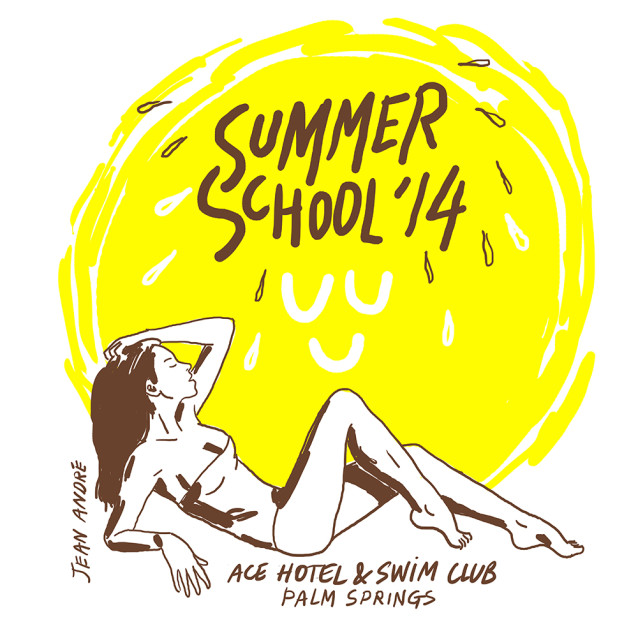
Thank you to everyone that attended this year’s Summer School at the ACE Hotel in Palm Springs. The Gallery hosted workshops with artist alumni including a Shibori Dye class by Mtendere Mandowa (Teebs), Post Cards with Jean André, an infinite pattern making and ‘zine production class with Alvaro Ilizarbe and a collage class directed by Erin D. Garcia. Hopefully more artwork related workshop in the near future.
For further reading :
Palm Springs Desert Sun newspaper
additional photos on HVW8 Gallery Instagram
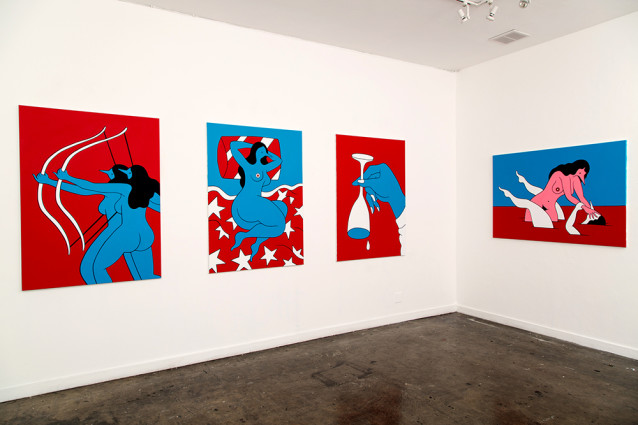
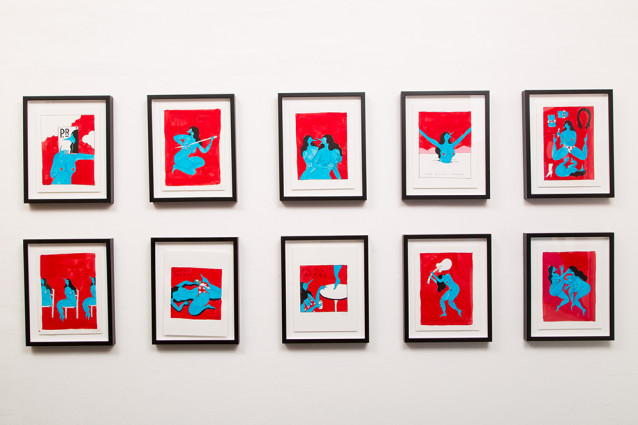
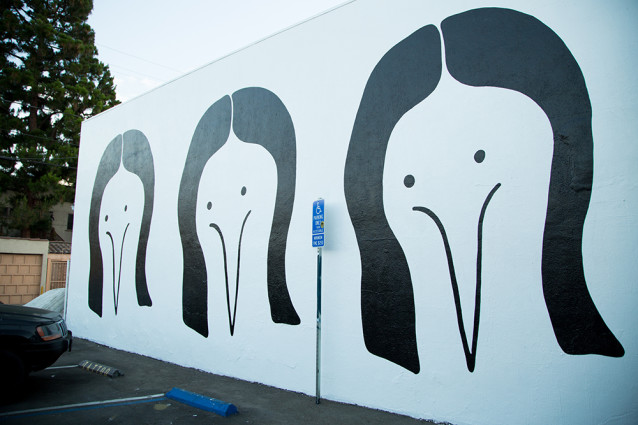
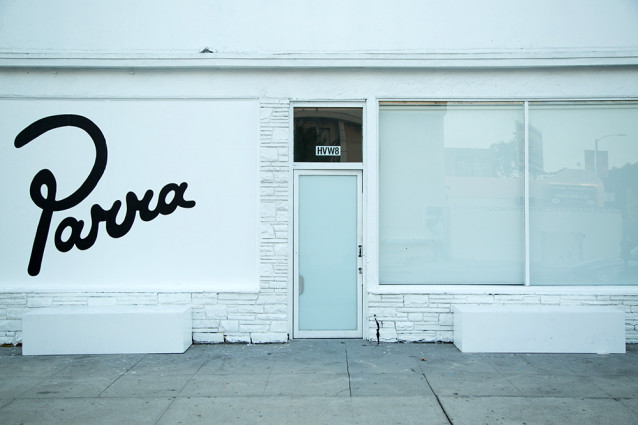
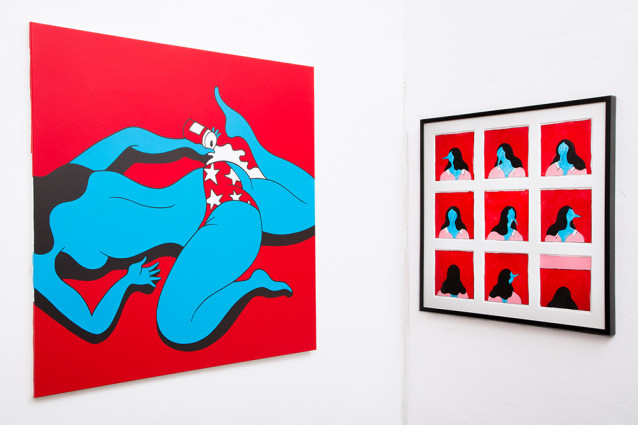
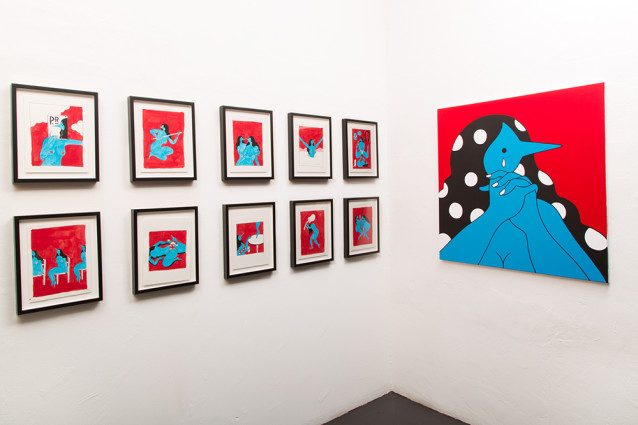
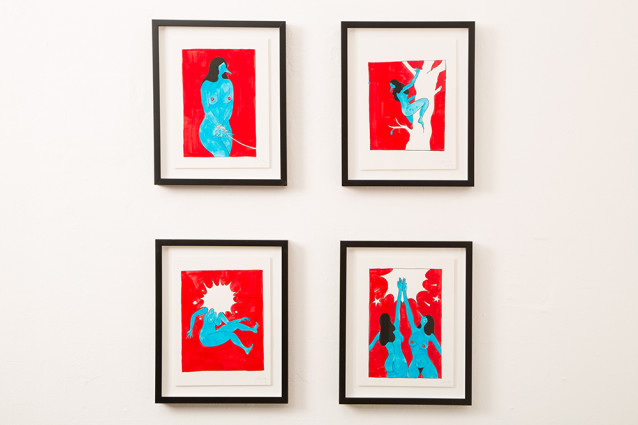
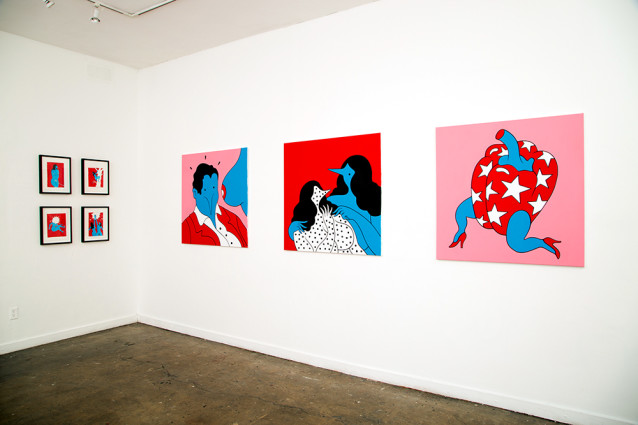
Parra ‘Same Old Song’ Installation photos by Justin Sullivan
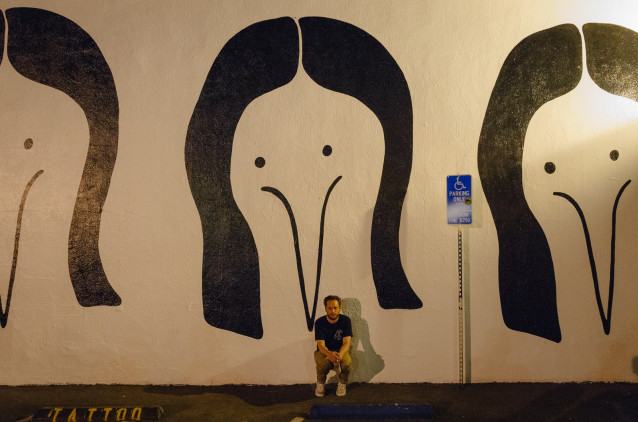
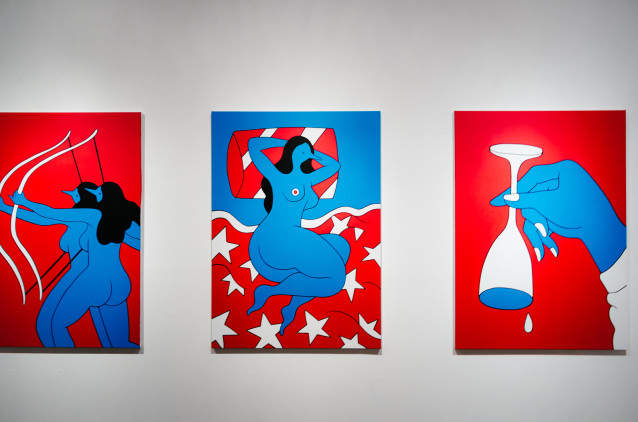
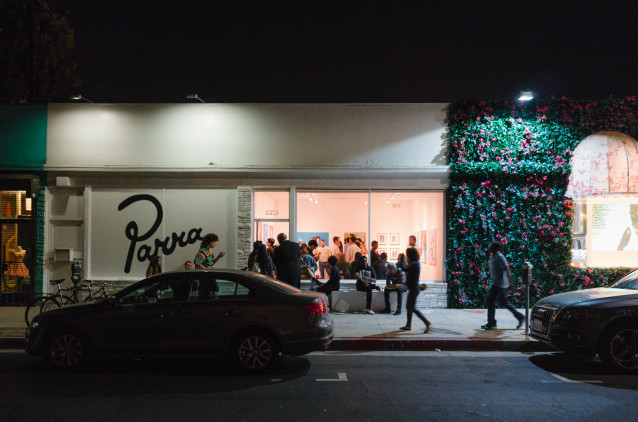
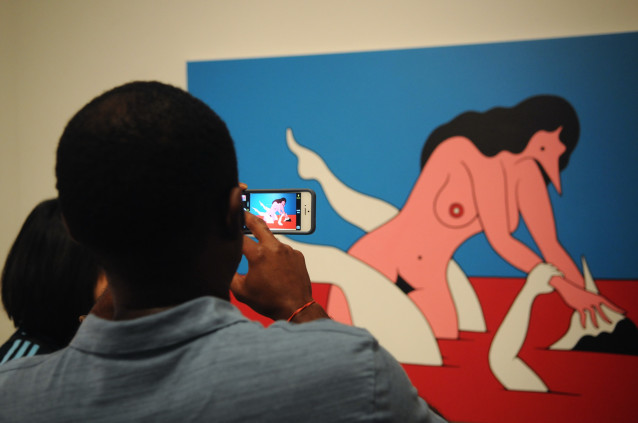
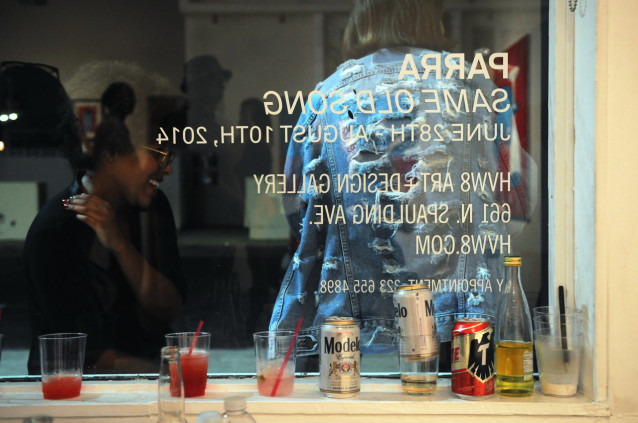
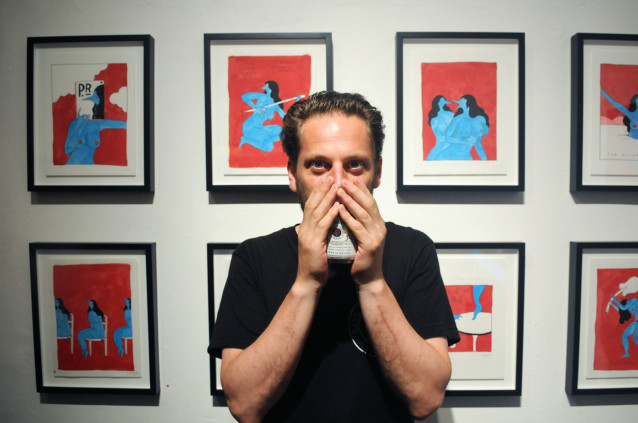
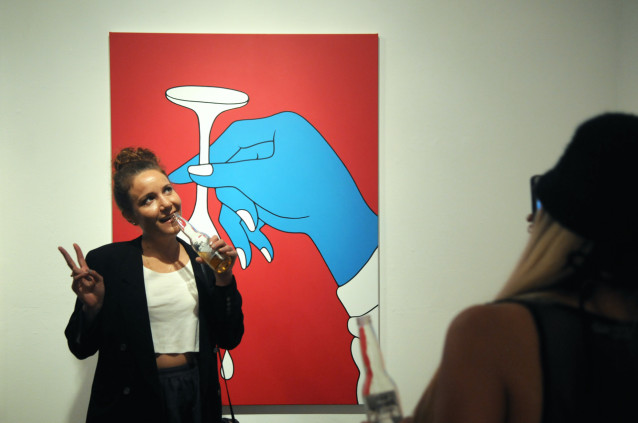
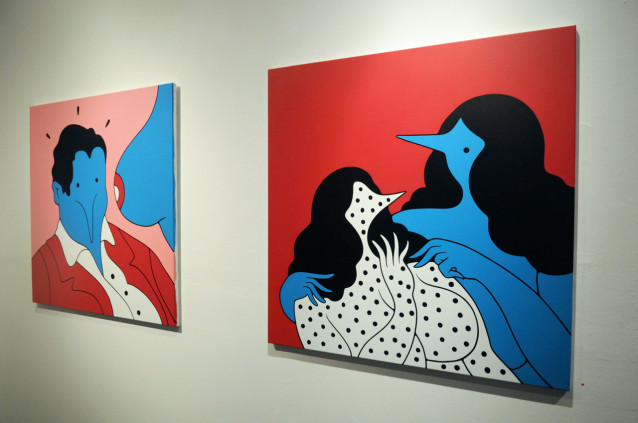
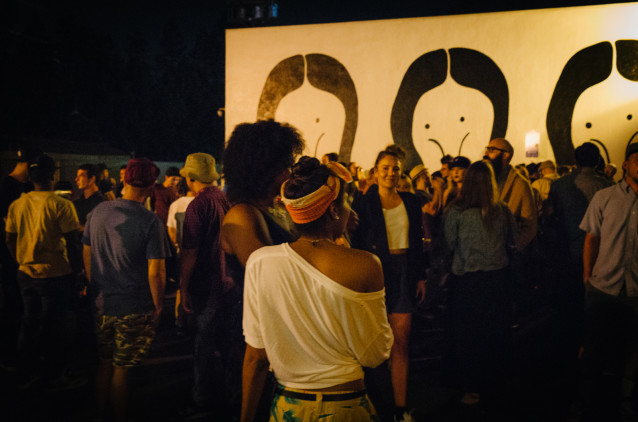
Photography by Mike Selsky and Kiwamu Omae.
Thank you to everyone that attended Saturday night’s opening with Parra, more opening night photos posted on HVW8 Facebook.
Installation shots will be posted shortly, please email info@hvw8.com for inquiries.
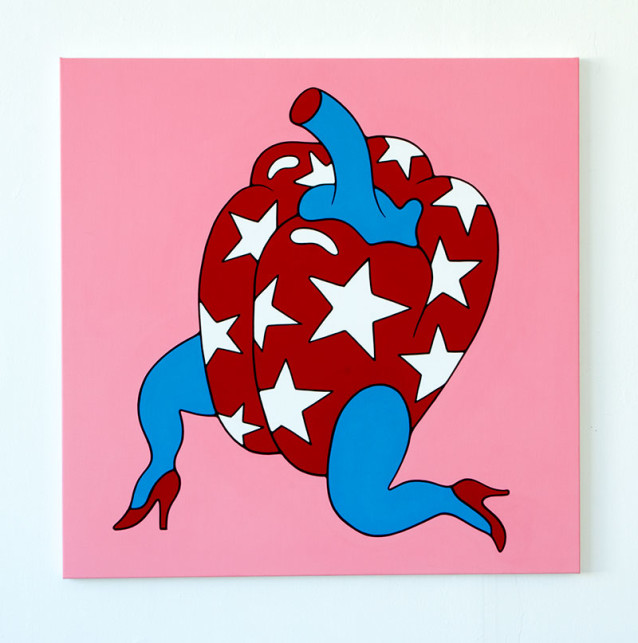
That Red Bell Pepper Life
by Parra
2014
Acrylic on canvas
39.4” x 39.4” (100 x 100cm)
Parra
Same Old Song
New Paintings and Drawings
Opening Saturday, June 28th, 7 – 10pm
Please RSVP at rsvp@hvw8.com
The works in Same Old Song are overturned wine glasses, leisure-suited perverts, and behind-the-bar-booty slaps arranged in compositions of red, white, blue, pink, Ben-Day dots, and stars. In all its orgiastic fervor, his work is foremost graphic in character: tightly controlled compositions, highly saturated colors, flood-filled silhouettes, flatness, and hard edges that are hallmarks of the comic tradition that Lichtenstein had notoriously usurped to conflate the proverbial high-and-low strata of the 1960s Pop movement.
While Lichtenstein’s early production was made for the gallery, Parra had his start in flyers, posters, and other media of advertorial nature. His works are visual literalizations of a dirty punchline. Sometimes they are art referential; other times they seem to be purely profane, both harmlessly witty and uncomfortably politically incorrect. When asked why he uses his trademark beaked humanoids, he claims that if he drew human faces, the figure becomes too familiar. Generalizations and types are more truthful than the personal.
Parra once described his work as “fast and freestyle” with an intent to un-complicate, purposefully limiting himself to a small color palette. This simplification makes his work all the more viral it has the ability to travel through pervasive and accessible channels. Whether it¹s democratizing or artlessly commercial is a question already beat to exhaustion by Pop and Post-modern. Parra doesn¹t care. His is an example of the strength of graphic design. It shamelessly hijacks commercial systems of circulation and is propagated with both compositional sophistication and crudeness like a silk-gloved bitchslap, a force that gains institutional recognition incidentally, without solicitation. A commercial illustrator doesn’t just earn international gallery exhibitions in major art centers and murals in cultural institutions such as SF MOMA and MOCA without at least some published critical endorsement from an academic.
Parra is a graphic artist, designer, and musician living and working in Amsterdam. He has recently exhibited in New York, Antwerp, Cologne, San Francisco, and Tokyo. Same Old Song is his fifth solo exhibition at HVW8 Gallery.
New Video from Janette Beckman’s ‘Rebel Cultures’ at HVW8 Gallery.
Hassan Rahim ‘Distallations’ on Qompedium
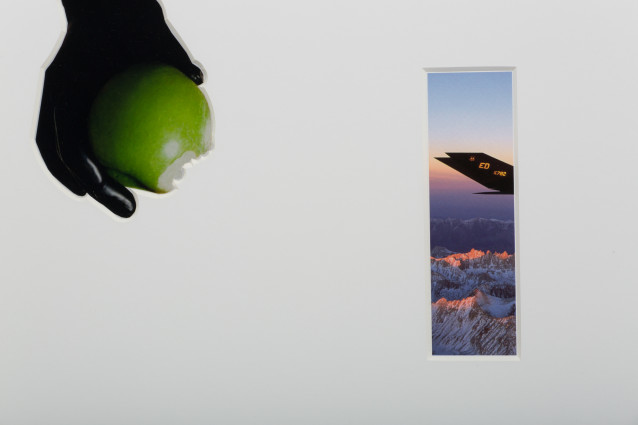
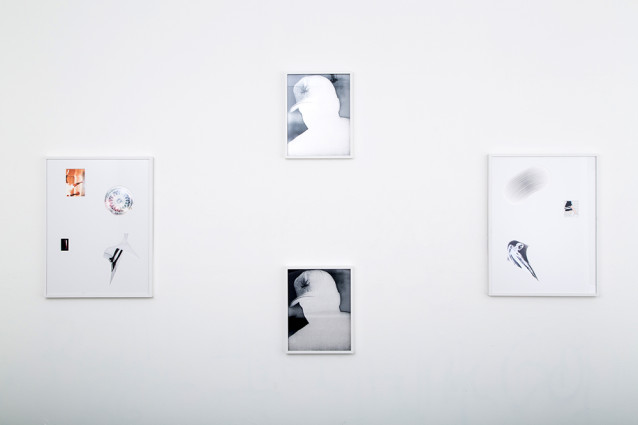
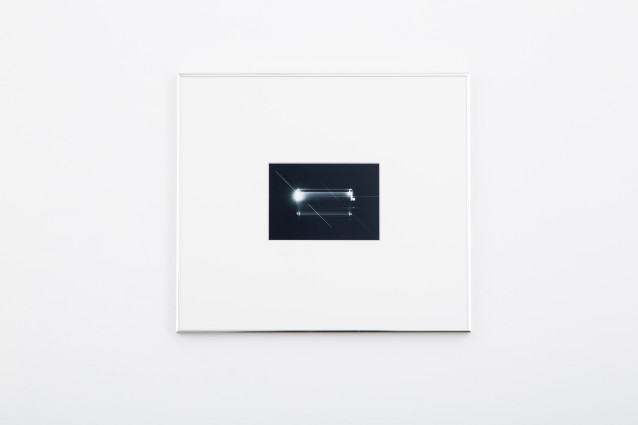
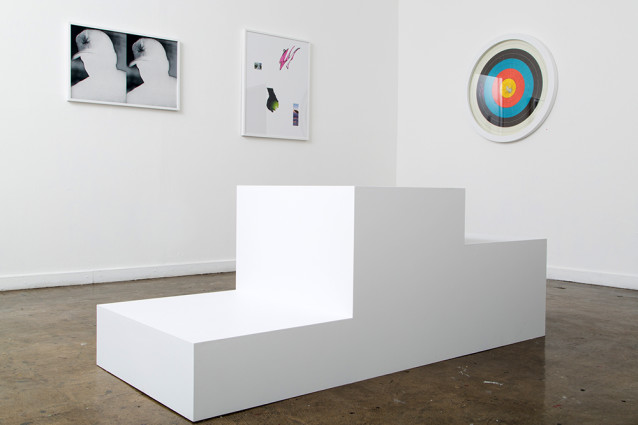
Hassan Rahim ‘Distillations’ currently on display through June 22nd. Gallery hours – Tuesday through Sunday, 1 – 6 pm, or call 323 655 4898 to arrange an appointment.
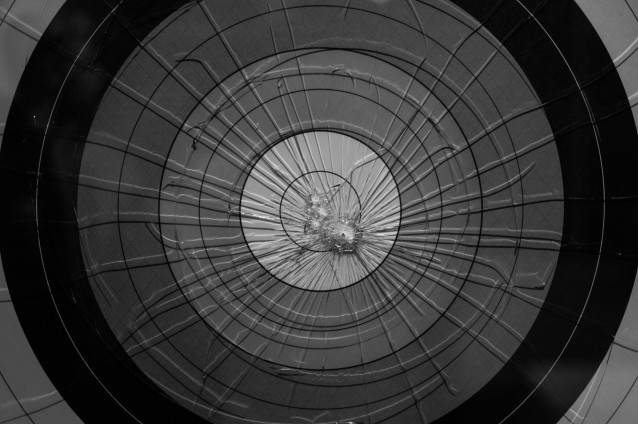
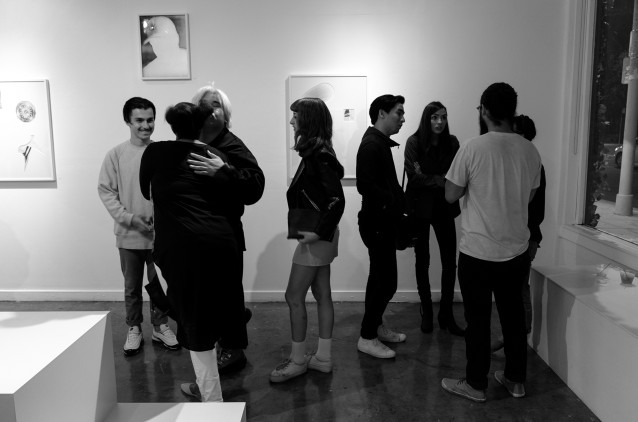
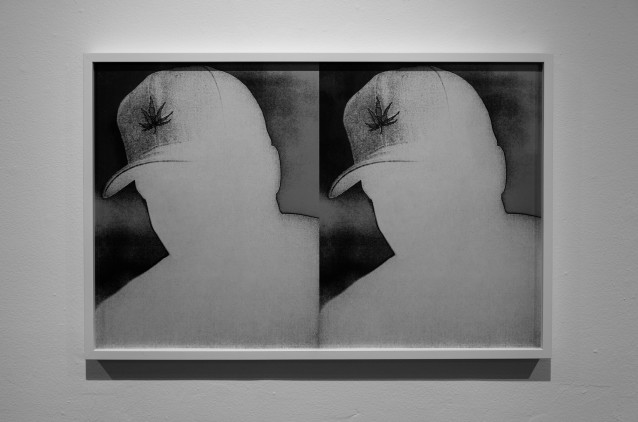
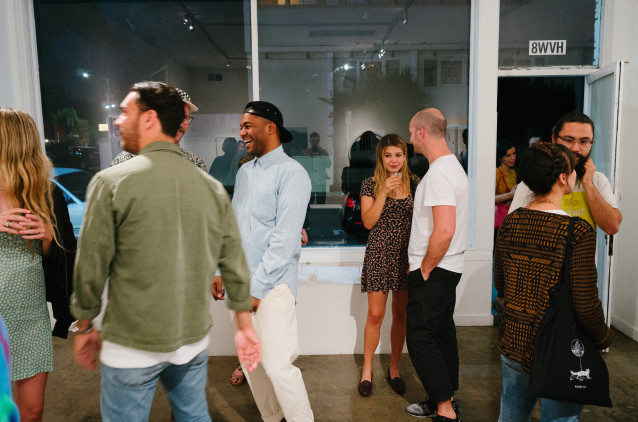
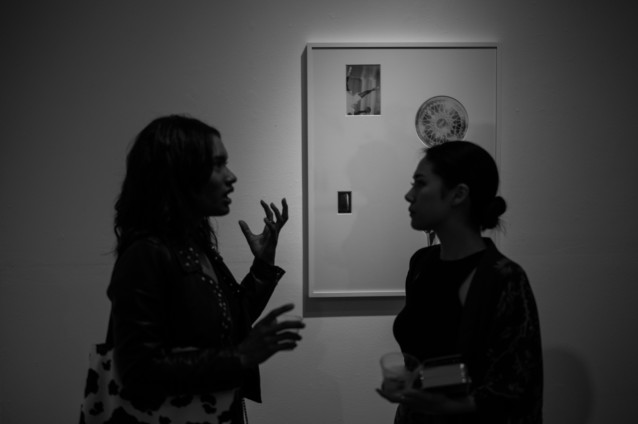
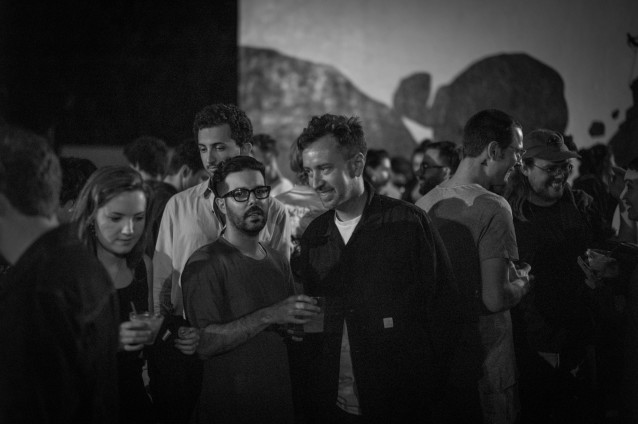
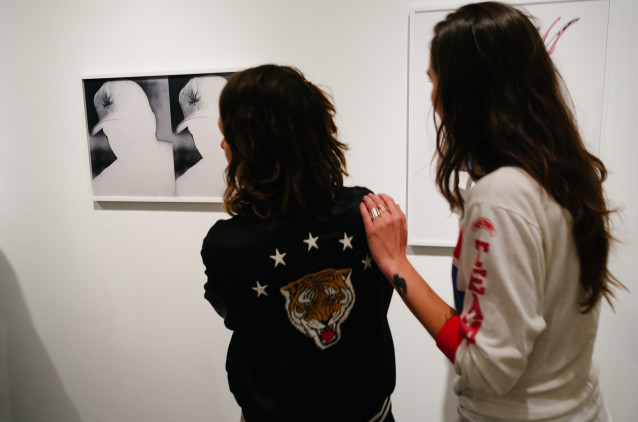
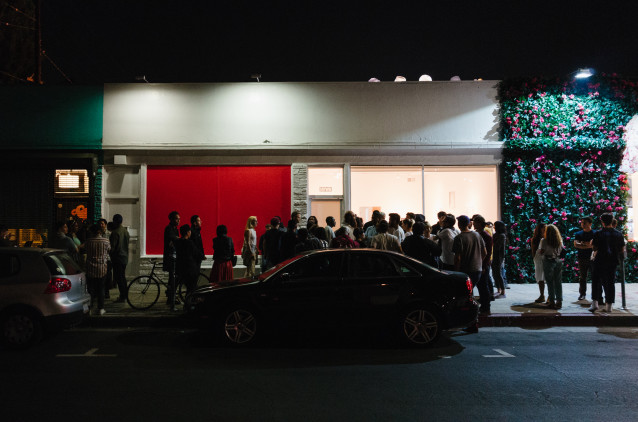
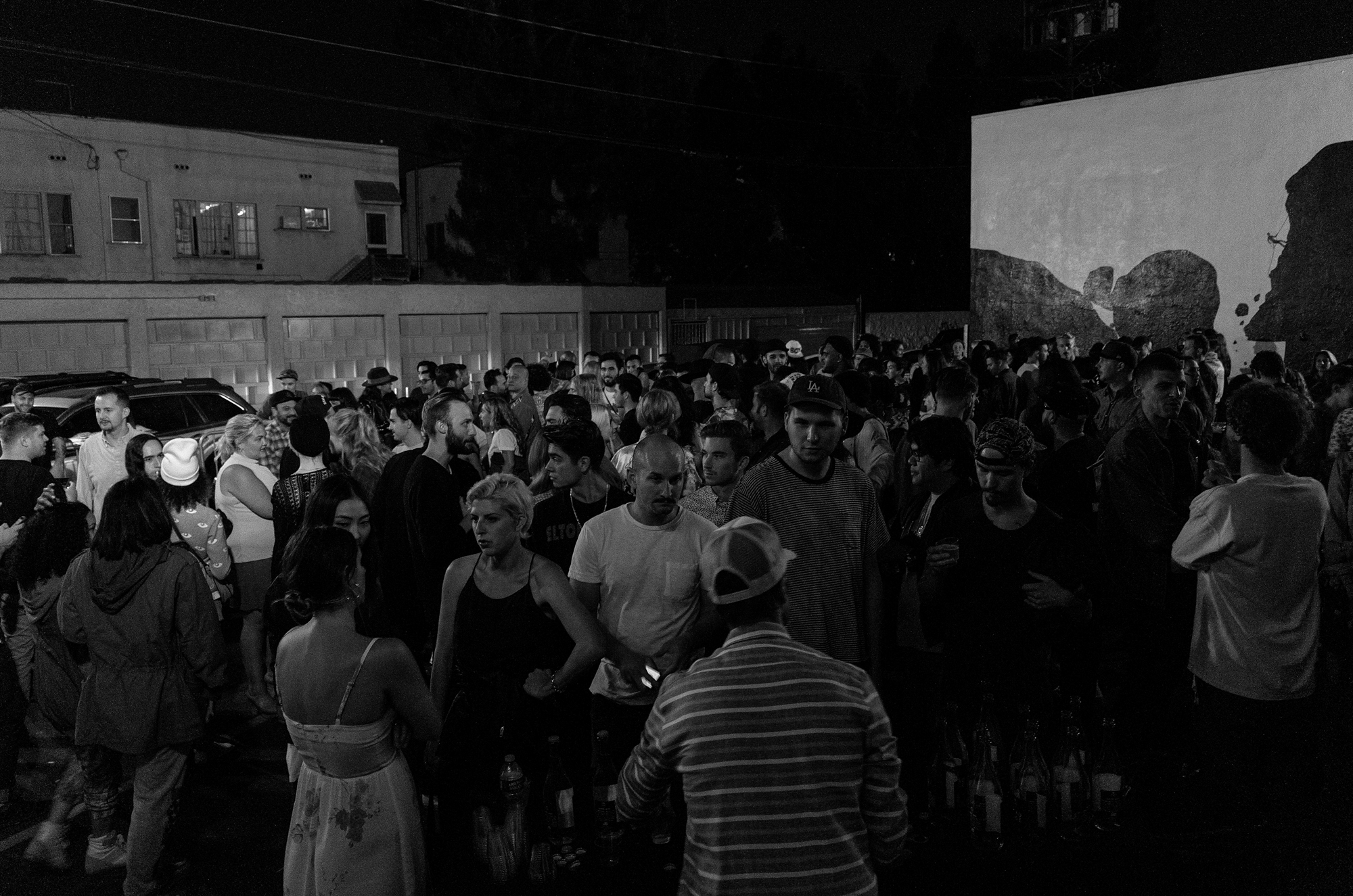
Thank you to everyone that came through Hassan Rahim’s opening for ‘Distillations‘.
More opening night photos on HVW8’s facebook.
Exhibition runs through June 22nd. Please email info@hvw8.com for inquiries.
Hassan Rahim
Distillations
May 29th – June 22nd, 2014
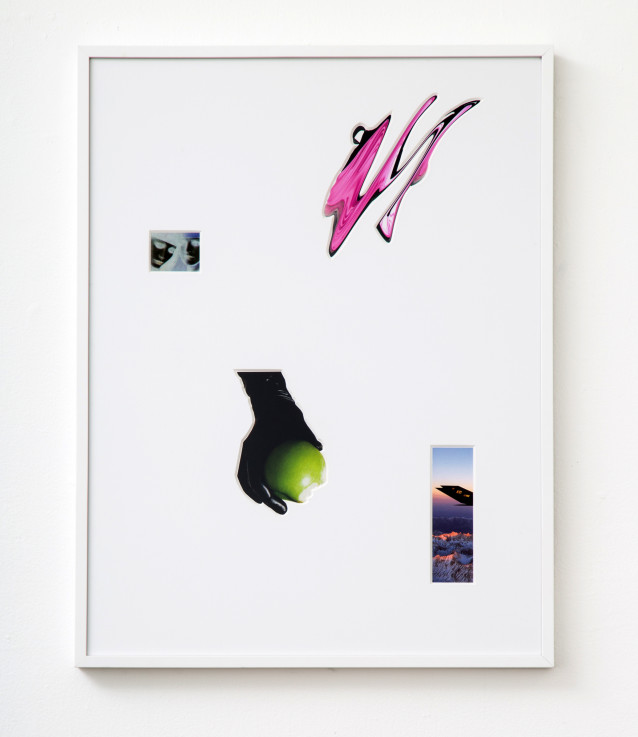
Distillations is a refusal. Collage overlays images to connect disparate contexts and temporal zones. People and objects are layered, decontextualized, cut, and pasted into oblivion. At some point, a lack of restraint only leaves heaps of forced narratives, absurdity, and theoretical hash.
Instead of compositing, Rahim practices a sort of anti-collage allowing images originally chosen for montage to remain separated and unviolated. Associated images not only share a frame, but also exist in the same chronology. This contemporaneity of pictures, given the dignity of negative space, serves to concentrate a narrative. BMW rims and Air Jordans were not only collateral in the height of ‘90s street theft but were also major pawns in collector culture. Like luxury cars, his works operate on a value of period-correctness – a system of fetish and preservation. Both abstract and figurative, his work negotiates issues of nostalgia and iconicity as constructions of the personal and universal subconscious.
He asserts the material and intrinsic worth of objects in relation to the specific time and place of their production. Cultural relics like an authentic 1984 LA Olympic archery pad and a true BMW E30 windshield existed in the same decade as 1987’s violent Operation Hammer, a city initiative where the slightest suspicion of drug possession justified a fever pitch of police brutality, mass incarceration, and prejudiced racial profiling. The archery board, an artifact from the very event that gave legislative rise to Operation Hammer, has an eerie physical relationship with the cracked windshield in which it repeats the same violence of targeting, bludgeoning, and revolt that characterized the streets during the LA Riots.
Not only are these objects part of a street market economy, holistically Rahim casts them as totems of competition: basketball, cars, gangs and music. Master of None, a weighty arrangement of tiered podiums resembling the pedestals of Formula One racing, is stripped of its function and reduced to its essential minimal form. When isolated from its competitive context, one is confronted with its brute materiality and presence. It is at once purely aesthetic and a cynical expression of hierarchy, a stage without champions. Much like the ambiguity in his other pieces, the viewer is left between sculpture and commentary.
Warp Zone #5 is part of an ongoing series of photographic drawings. Symbols and icons are transformed into spiral amorphs. They appear to be mundane objects and phrases but are flattened into a galaxy of its own skewed gravity. Each component is on the cusp of recognition and suggests a relationship with its neighboring element, but ultimately concedes to the motion of its own nightmarish realm.
With Rauschenberg’s visual semantics and Man Ray’s photographic unconscious, the pieces in Distillations are faint recollections of an era floating in purgatory. Solarized prints of Dr. Dre’s monumental album The Chronic, distorted reproductions of the Nike Air Foamposites, and Northrop Grumman’s B-2 Spirit Stealth Bomber are appropriated and manipulated into a spectral grammar of kink, poetry, and violence. Despite a conceptual grounding in his personal memories, Rahim suggests form, then rejects it; retains context, then negates it; collages, then throws it all into the white noise.
Hassan Rahim, b. 1987, Los Angeles, is a mixed media artist and art director living in Philadelphia. This is his second solo exhibition at HVW8 Art + Design Gallery; he has previously exhibited in Milan and Amsterdam.
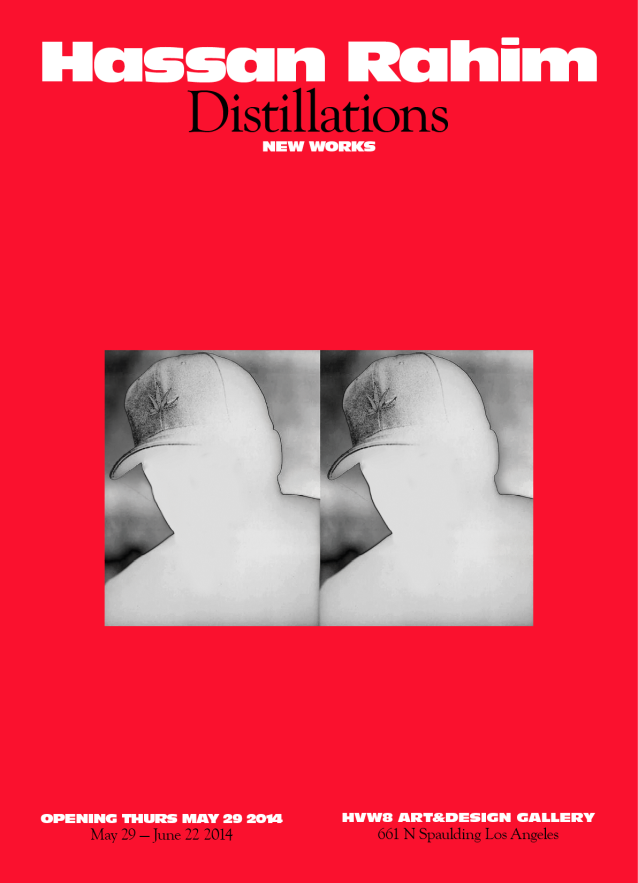
Hassan Rahim
Distillations
May 29th – June 22nd, 2014
Opening Thursday, May 29th, 7 – 10pm
Please RSVP at rsvp@hvw8.com
In his second solo exhibition Distillations, Hassan Rahim applies his visual dialogue to deeper negotiate iconicity and nostalgia as constructions of the personal and universal subconscious. Using episodes from his past as a conceptual framework, futuristic fighter planes and vignettes from Los Angeles’s seedy history are re-contextualized in a spectral grammar of poetry and violence.
With Rauschenberg’s collage semantics, Stella’s defiance of the canvas, and Ruscha’s typographical sensibilities, Rahim’s obsessions are lacquered under layers of worship, kink, machinery, and analog static.
Hassan Rahim, b. 1987, Los Angeles, is an artist and art director. His work, reminiscent of vague childhood memories and adolescent fantasies, utilizes photography, collage and mixed media to create strong contextual pieces which are both appealing and alarming to the audience. This is his second solo exhibition at HVW8 Art + Design Gallery; he has previously exhibited in Milan and Amsterdam.
Please email info@hvw8.com for inquiries.
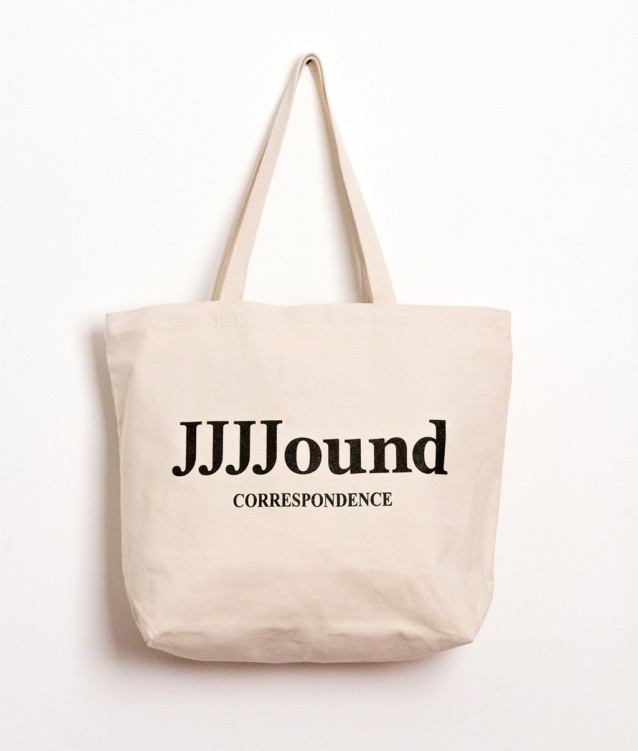
The ‘Correspondence’ totes from JJJJound’s 2013 Exhibition are now back in stock.
Purchase them here.
Email info@hvw8.com for details.
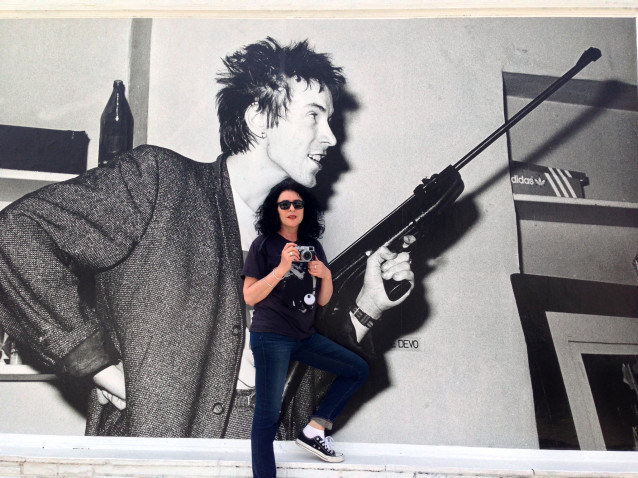
Recent Interviews with Janette Beckman on the Rebel Cultures Exhibition from London’s Huck Magazine and NY based Complex Magazine.
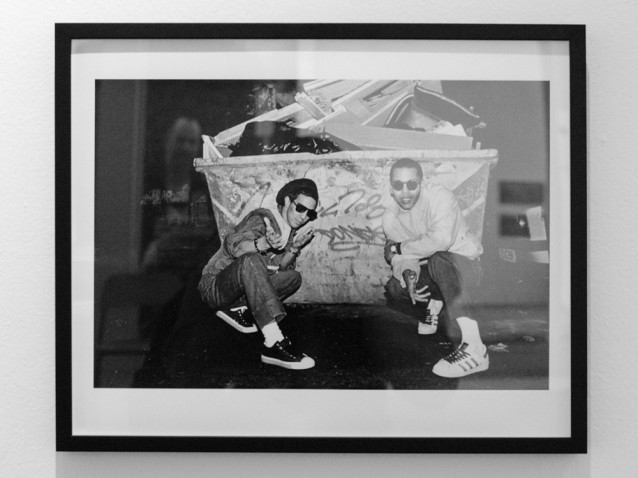
Futura and Dondi, London 1981
by Janette Beckman
1981
Canson Platine Fibre Rag Paper
Edition of 20
20″ x 16″ (50.8 x 40.6cm)
Custom frame available (black)
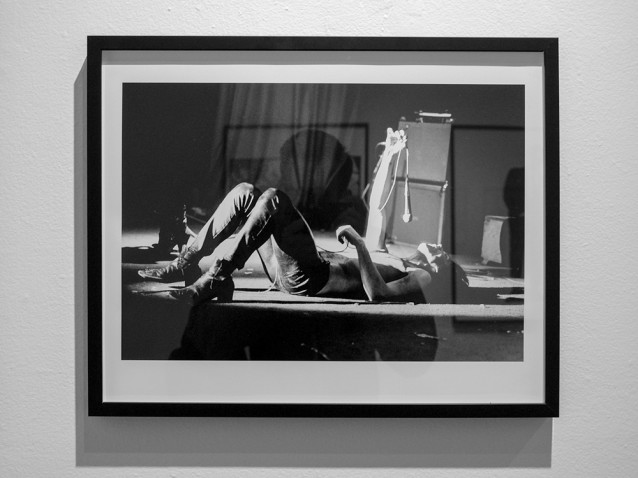
Lux Interior, LA 1982
by Janette Beckman
1981
Canson Platine Fibre Rag Paper
Edition of 20
20″ x 16″ (50.8 x 40.6cm)
Custom frame available (black)
More of Janette Beckman’s work available here. Please email info@hvw8.com for further information.
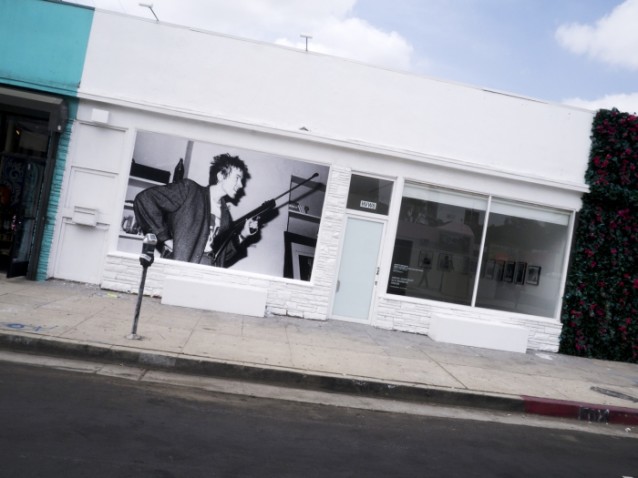
HVW8 Gallery photo from Purple Magazine.
Now on display, Tuesday through Sunday, 1- 6pm.
Interview with Janette Beckman on her Rebel Cultures exhibition at HVW8 from LA Weekly as well as recent press from Hayabusa (Japan), Complex (US), Purple Magazine (France), Jay Z’s Life + Times and more below.
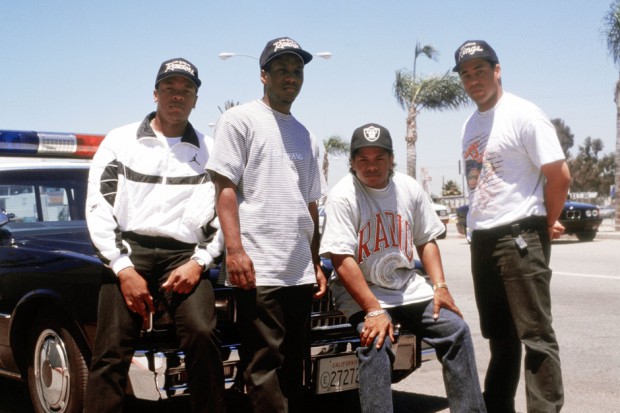
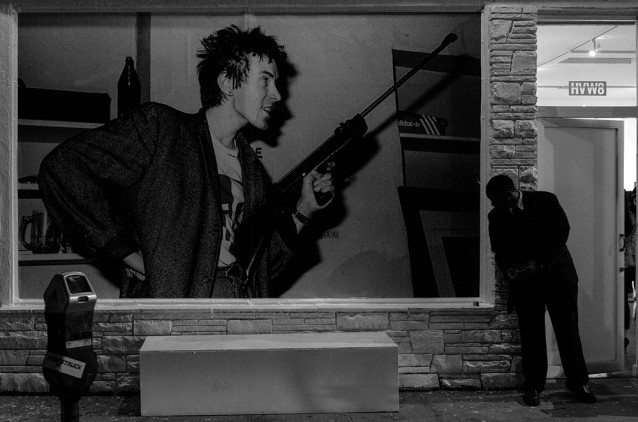
Janette Beckman’s lens somehow always seems to always capture the intersection of gritty and cool. Born in London, England, Janette is a product of the ’70s punk movement. Like the music and lifestyle her art embodied, she soon crossed the ocean to New York, and has lived there since the top of the ’80s. Almost 35 years later, Janette has amassed portraits of rockers, rappers, painters, gangsters and more than a few would-be music moguls in the form of Rick Rubin, Dr. Dre and Russell Simmons. Regardless of who her subject is, Janette seems to find the honesty as well as the style in people. If the camera won’t show it, the jovial photographer’s anecdotes surely will. Beginning April 17th, select photos of Beckman’s are featured in HVW8 Art + Design Gallery (661 N. Spalding) in an exhibition called Rebel Cultures: Punks, Rap & Gangs, sponsored in part by Diamond Supply Co.
For the opening, Janette traveled back to L.A. 31 years after her first trip (prominently featured in the curation). Gallery goers included Curt Smith of Tears for Fears, Delicious Vinyl’s Rick Ross, and even three subjects that Beckman has bonded with since meeting them by chance a lifetime ago.
West Coast Sound: Much of your portrait work is often associated with New York. I’d like to talk about some of your L.A. photography. It’s in your book, The Breaks, and it’s prominently featured in this exhibit. This photo from 1983, “Gang Girls”; it’s such a moment in time. What prompted you to take that picture?
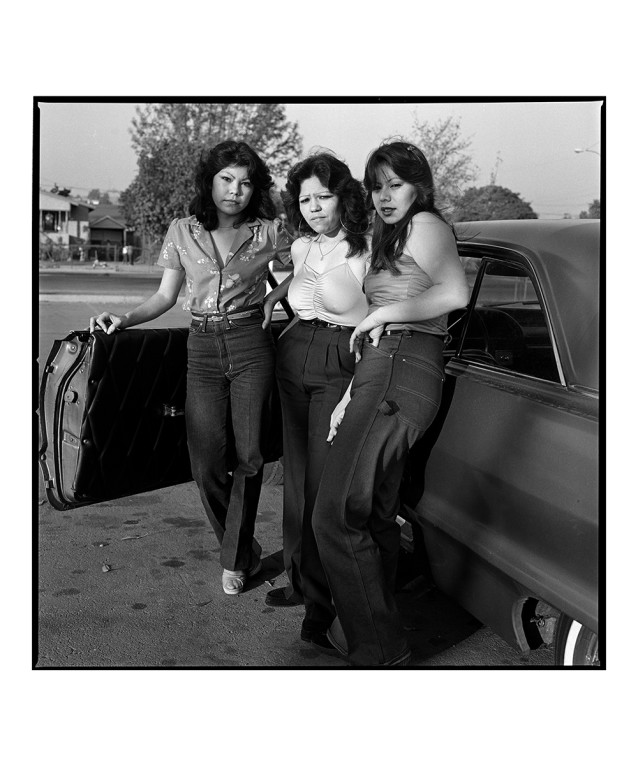
Janette Beckman: In 1983, I was visiting a friend who managed The Go-Go’s, a seminal L.A. punk band. I just happened to pick up what I think was the L.A. Weekly, and read about this East L.A. gang, the El Hoyo MaraVilla. I loved the story so much, and there were no pictures. I just kind of got fascinated, so I got in touch with the writer and asked if he would introduce me to the gang.
Continue reading “Janette Beckman Interview and Rebel Cultures Exhibition Press”
Boss Hat
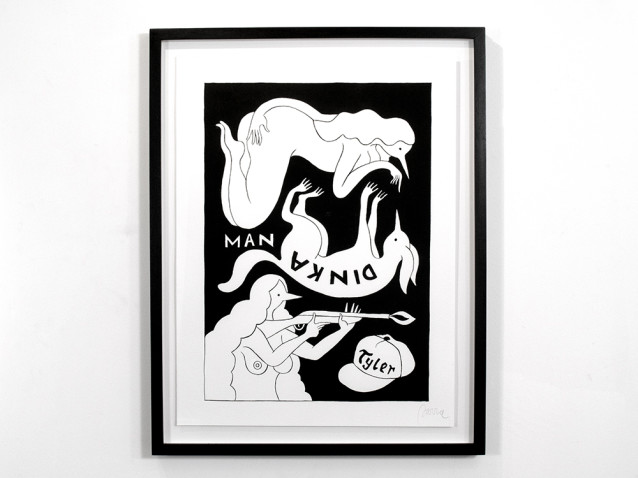
by Parra
2014
Silkscreen print
20 “x 27” (51 x 69 cm)
Edition of 50
Printed on 90lb Stonehenge 250gsm Paper
New Parra Silkscreen Print will be available today (Tuesday, April 22nd) at 12 pm (Pacific Time Zone).
please email info@hvw8.com for inquiries.
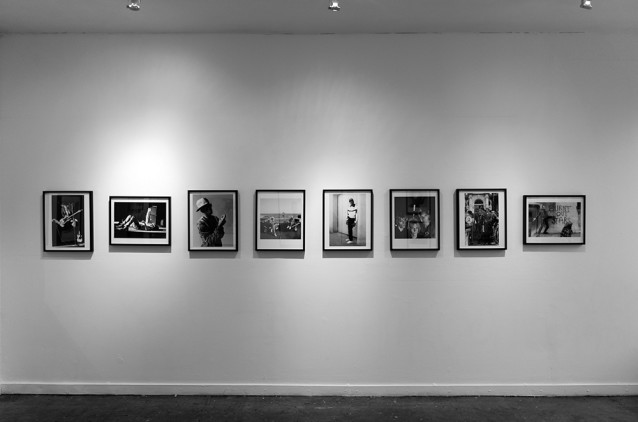
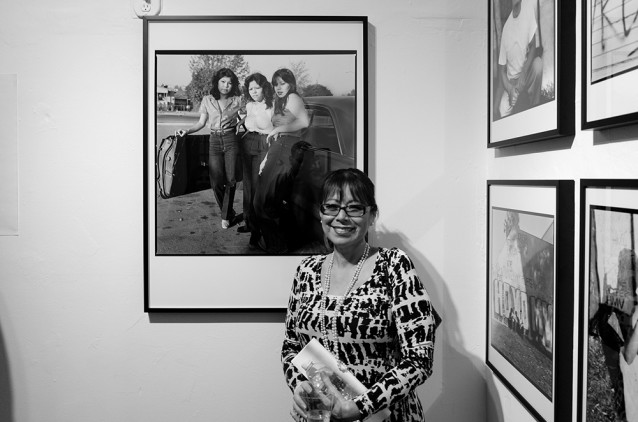
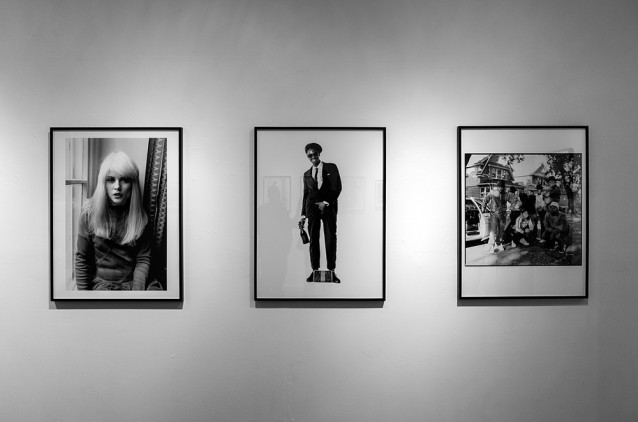
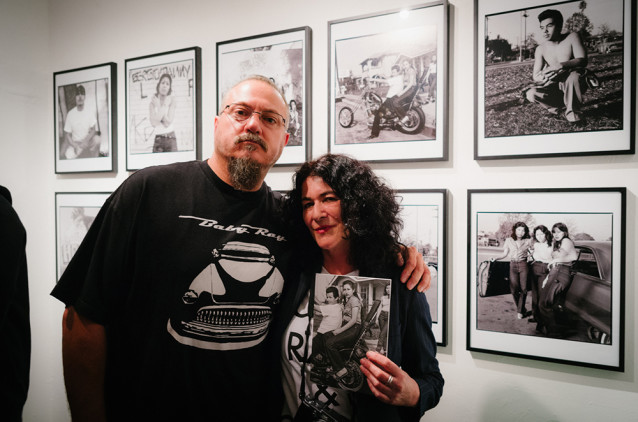
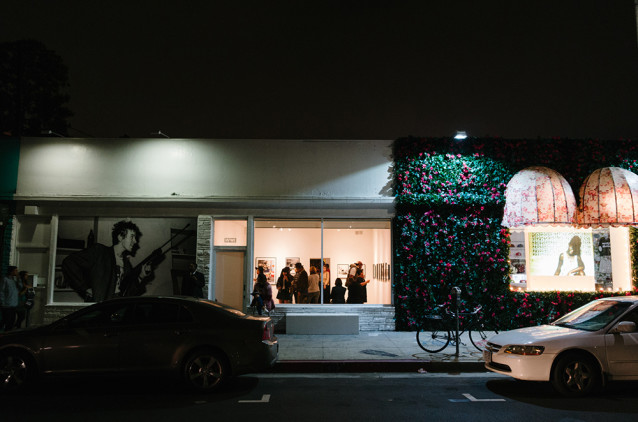
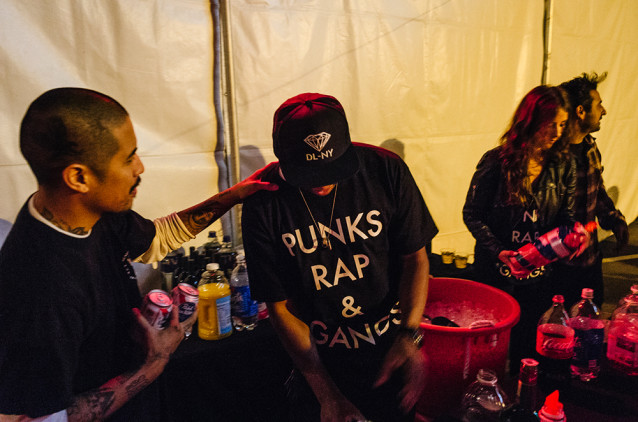
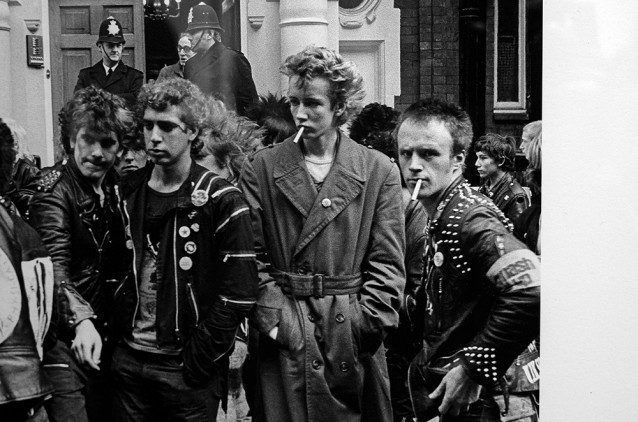
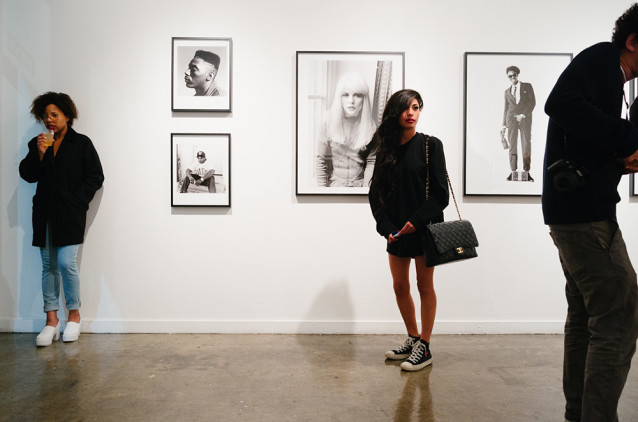
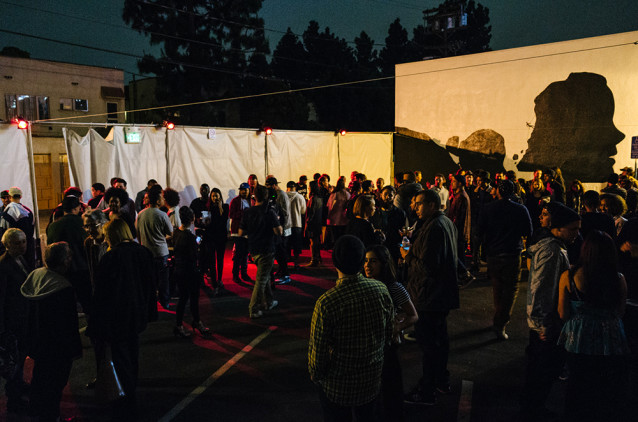
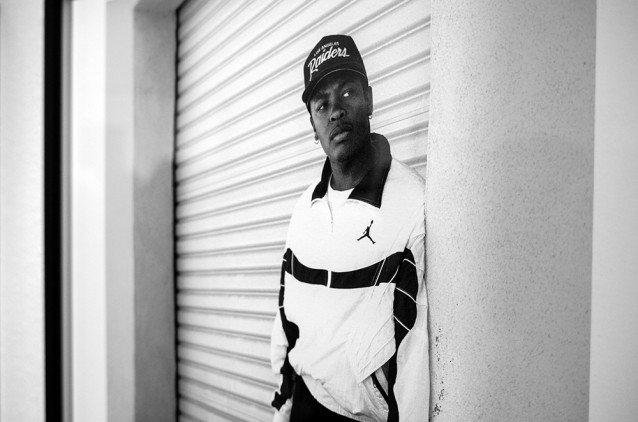
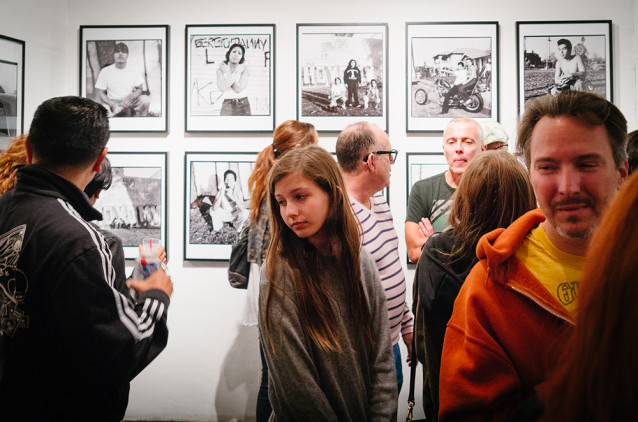
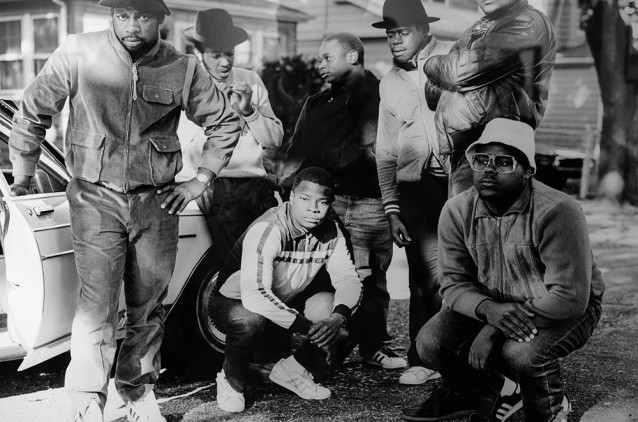
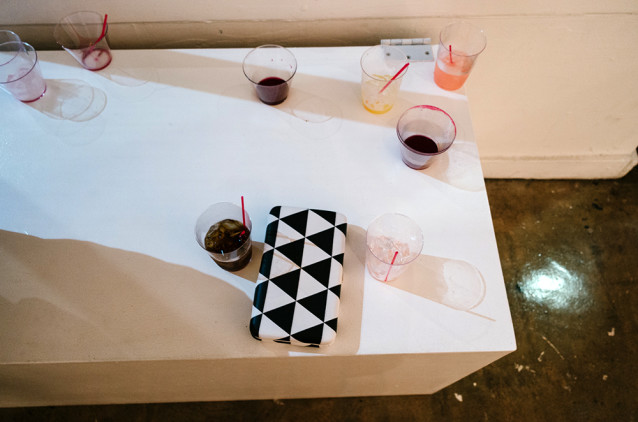
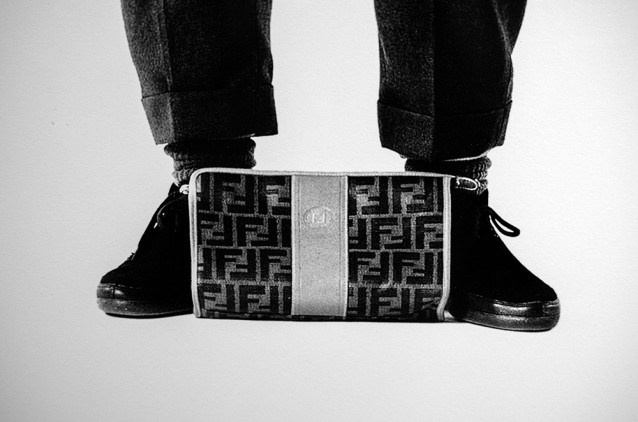
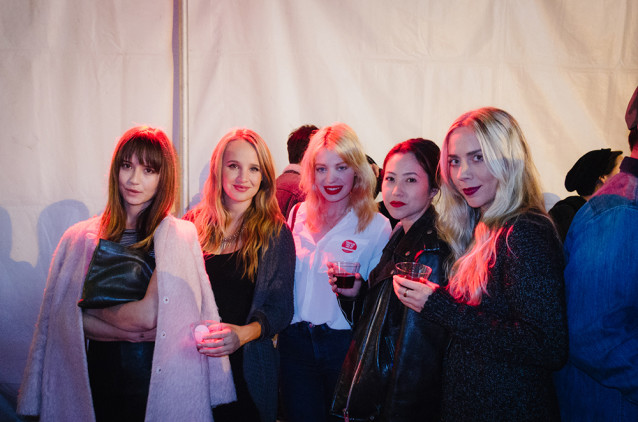
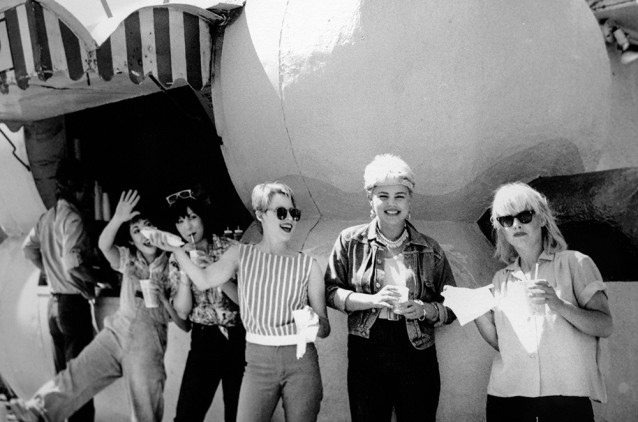
A few photos from Janette Beckman’s opening night of Rebel Cultures.
More photos are on the HVW8 Facebook page. Exhibition runs through May 18th.
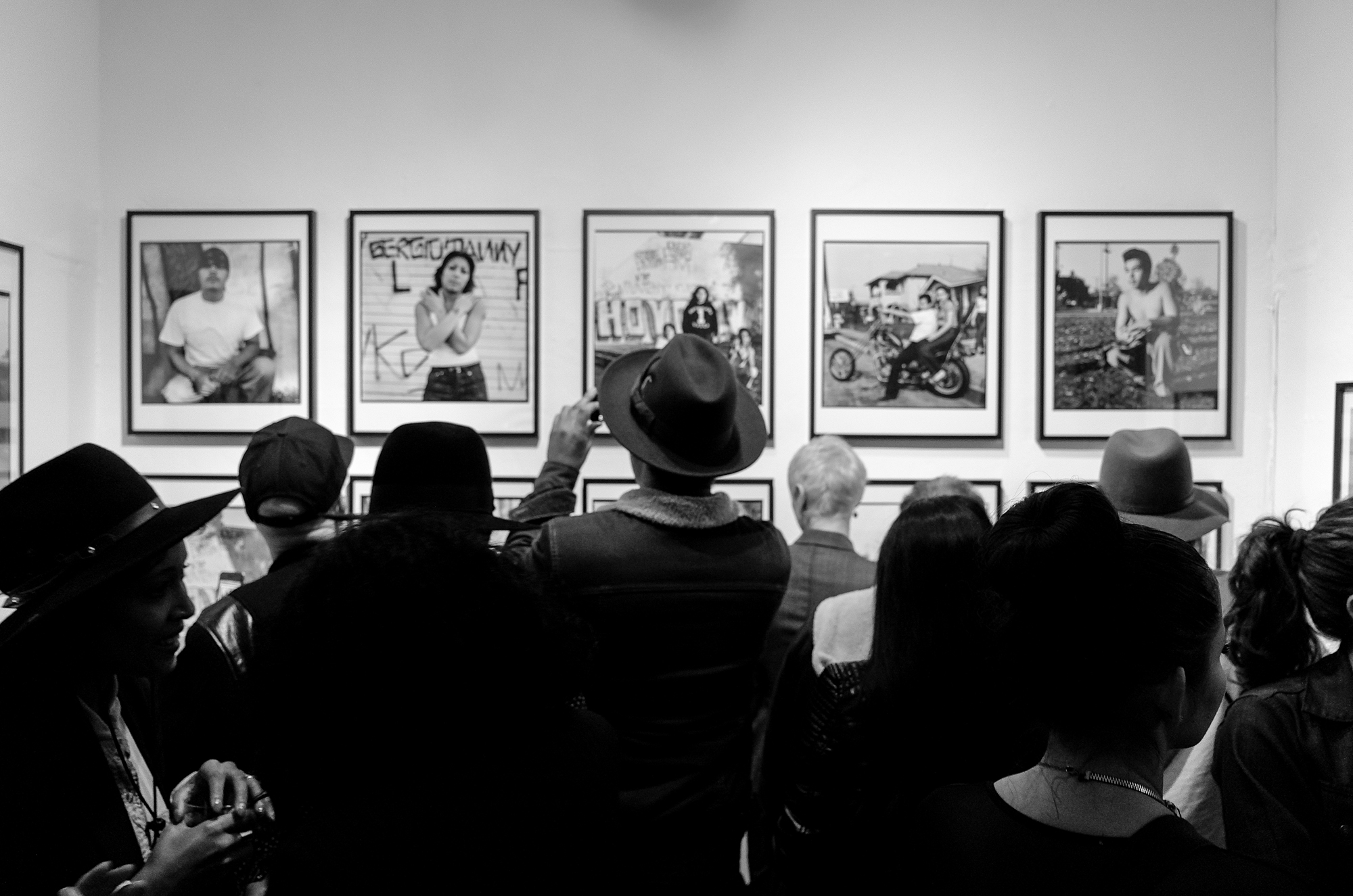
Thank-you to everyone that attended Janette Beckman’s Rebel Cultures opening this past Friday.
Now on display until May 18th. Opening night and installation photos will be posted shortly. Email info@hvw8.com for artwork inquiries
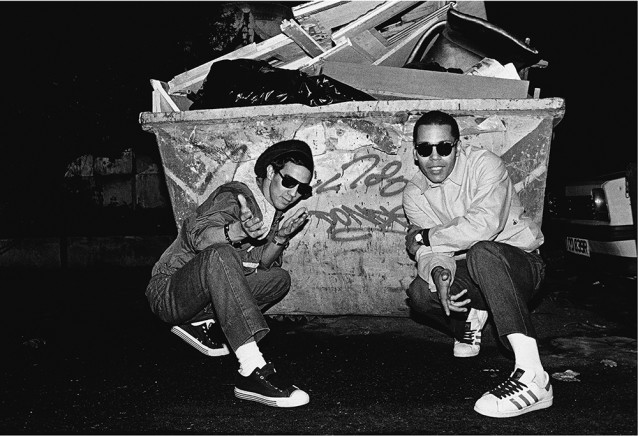 Futura and Dondi, NYC, 1981 – 16 x 20 inch
Recent Press on Janette Beckman in New York Magazine, The Telegraph (London) and New Yorker Magazine.
Make sure to RSVP for this Thursday, April 17th’s opening at rsvp@hvw8.com. Janette’s Rebel Cultures runs until May 18th. Please email info@hvw8.com for inquiries.
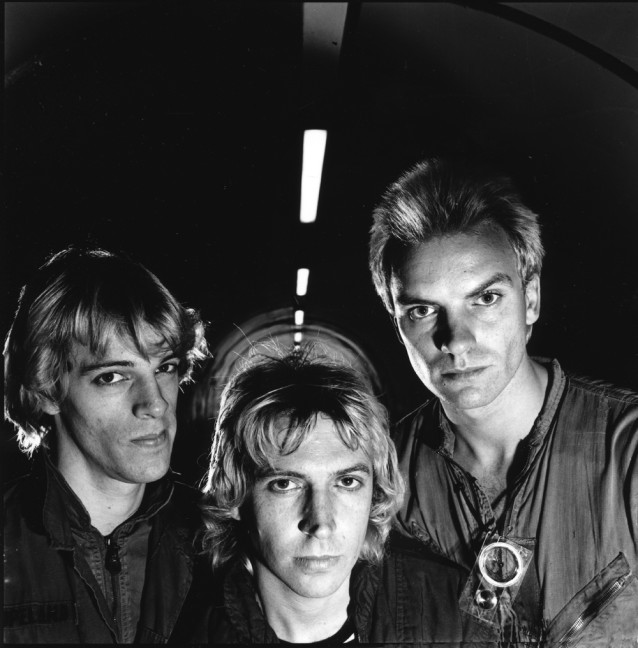
The Police, London 1978
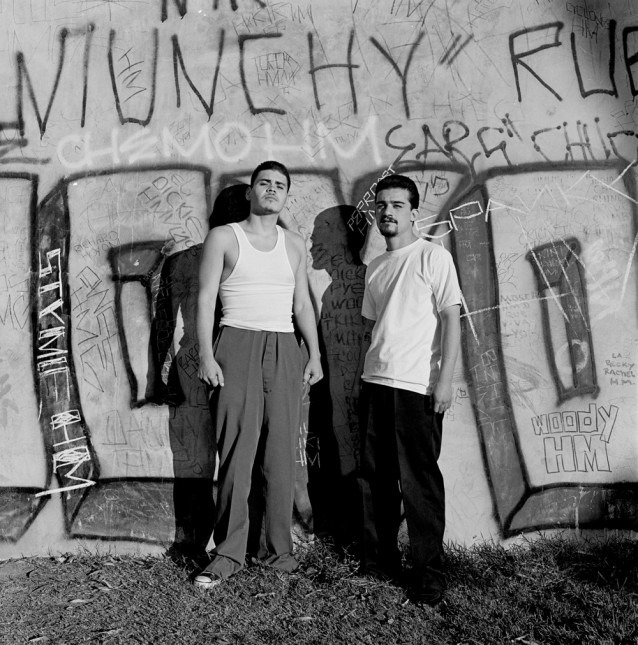
HM Gang, East LA 1983
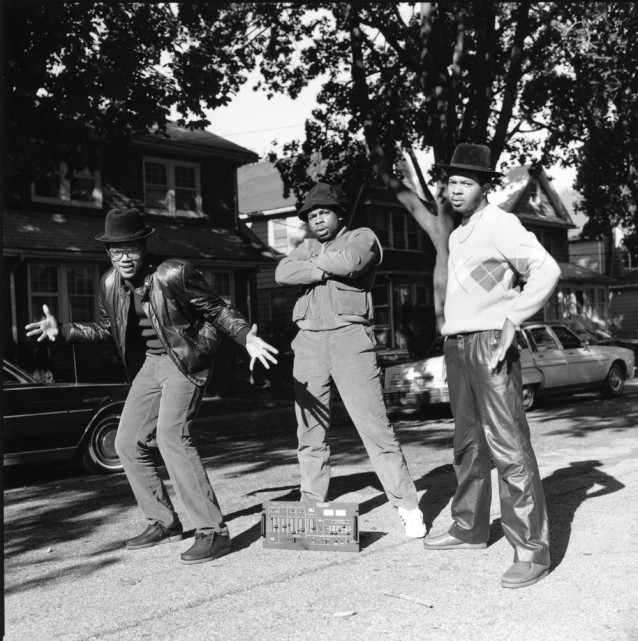
Run DMC, Hollis Queens 1984
Janette Beckman
Rebel Cultures:
Punks, Rap and Gangs
Opening Thursday, April 17th, 2014, 7 – 10pm
Please RSVP at rsvp@hvw8.com
In the summer of 1982, Janette Beckman was introduced to members of the East LA gang El Hoyo Maravilla. She proceeded to document this culture much as she had with British punks and the emerging New York hip-hop scene. HVW8 presents her photographs of these seemingly disparate tribes bound by a common rebel spirit.
Janette Beckman vividly remembers that summer. “I was spending the summer in LA with a friend who managed a punk band…for me that meant going out to clubs at night to take photos, neon signs, palm trees, 1950′s bars and cars, Venice beach and much more.
One day I met a writer who was working on a story about the East LA gang scene. I asked him to introduce me to the El Hoyo Maravilla gang. We drove out one hot summer day to a large dusty park in East LA to meet some members of the HM gang.
I had been documenting the London punk scene since 1976 and brought with me a box of 8”X10” prints of the British skinheads, punks, ska and rockabilly kids to show them. I explained that these were the ‘gangs’ in the UK and they agreed to let me take portraits of them to show people in London. I spent that summer photographing the gang with my Hasselblad camera, driving back and forth from Hollywood to East LA in my Rent-A-Wreck V8 Ford LTD.
The East LA area was poor, hot and arid, and there was the constant sound of LAPD helicopters buzzing overhead. The gang members introduced me to their families, showed me the barrio and tried to explain how it was living ‘la vida loca’.
I was the first British person they had ever met and we were curious about each other.”
In 2011, Dashwood Books published a collection of Janette’s photos of the HM gang. One of the three girls Janette had photographed leaning against a car in the park contacted her after seeing the book.
Nearly 30 years after that original photo was taken, Janette met the girls again to see where their lives had taken them. “We met in Boyle Heights at their sister Arlene’s house and they took me to the Home Girl Café for lunch. The three women had amazing tales to tell of their lives. They had lost husbands to gang violence. But these three amazing women had survived and thrived, they were mothers, career women and still the best of friends. They told me that most of the Hoyo Maravilla guys that I had photographed back in the day were either in jail or had passed away. We sat in the cafe and told stories. They tried to date the exact year I had met them: ‘Was the car we were standing in front of gold or blue?’ they asked, because one of their friends had been shot in the car and it had to be repainted after that because of the blood stains – this was how they would date the photos.”
This exhibition features not only photographs of the HM gang back in the day and the Rivera Bad Girls today, but also various iconic photographs documenting the formative years of the punk and hip-hop scenes including Johnny Rotten, Joe Strummer, Debbie Harry, Slick Rick, Keith Haring, and Run DMC to name a few.
‘Londoner Janette Beckman began her career at the dawn of punk rock working for The Face and Melody Maker. She shot bands from The Clash to The Specials as well as 3 Police album covers. Her powerful portraits celebrating this music and street style are collected in ‘Made in the UK: The Music of Attitude, 1977-1982‘, PowerHouse Books 2005.
Moving to New York in 1982, she was drawn to the underground Hip Hop scene. Her photographs of pioneers Afrika Bambaata, Run DMC, Salt’ n ‘Pepa and Grandmaster Flash and 1980′s style are collected in ‘The Breaks, Stylin and Profilin 1982-1990‘, PowerHouse Books 2007.
Since moving to New York she has shot everyone from entertainers to politicians – Clients include: Esquire, Rolling Stone, People, Interview, London Sunday Times Magazine, Observer Magazine, Doc Marten, Converse, Schott, Casio, Warner Brothers Music, Universal Music, etc.
Her photographs have recently been exhibited at: Paul Smith London, Morrison Hotel Gallery NYC, Collette Paris, Isetan Tokyo, Kong Gallery Shanghai, Rockarchive and Proud Gallery London.
Jean André ‘Gauloise’ interview at HVW8 Gallery, music by Pedro Winter.
adidas Originals and HVW8 presents ‘Bits and Pieces’ at Miami Art Basel featuring Kevin Lyons, Jean André, Erin Garcia and Dam-Funk.
Atiba Jefferson ‘Sorry For Not Showing Art’ at HVW8 Gallery
Kevin Lyons interview during his ‘Shits and Giggles’ exhibition.